
Ultimate Guide to Mosquito Prevention in Southern California

Mosquitoes can quickly become a nuisance and pose serious public health risks by spreading diseases like West Nile virus and dengue. Fortunately, there are several effective ways to reduce mosquitoes around your home. Whether you're trying to eliminate mosquito sources, protect your family from bites, or report mosquito problems, these mosquito prevention solutions can help keep your property mosquito-free.
The best method to reduce mosquitoes on your property is to limit the number of potential sources.
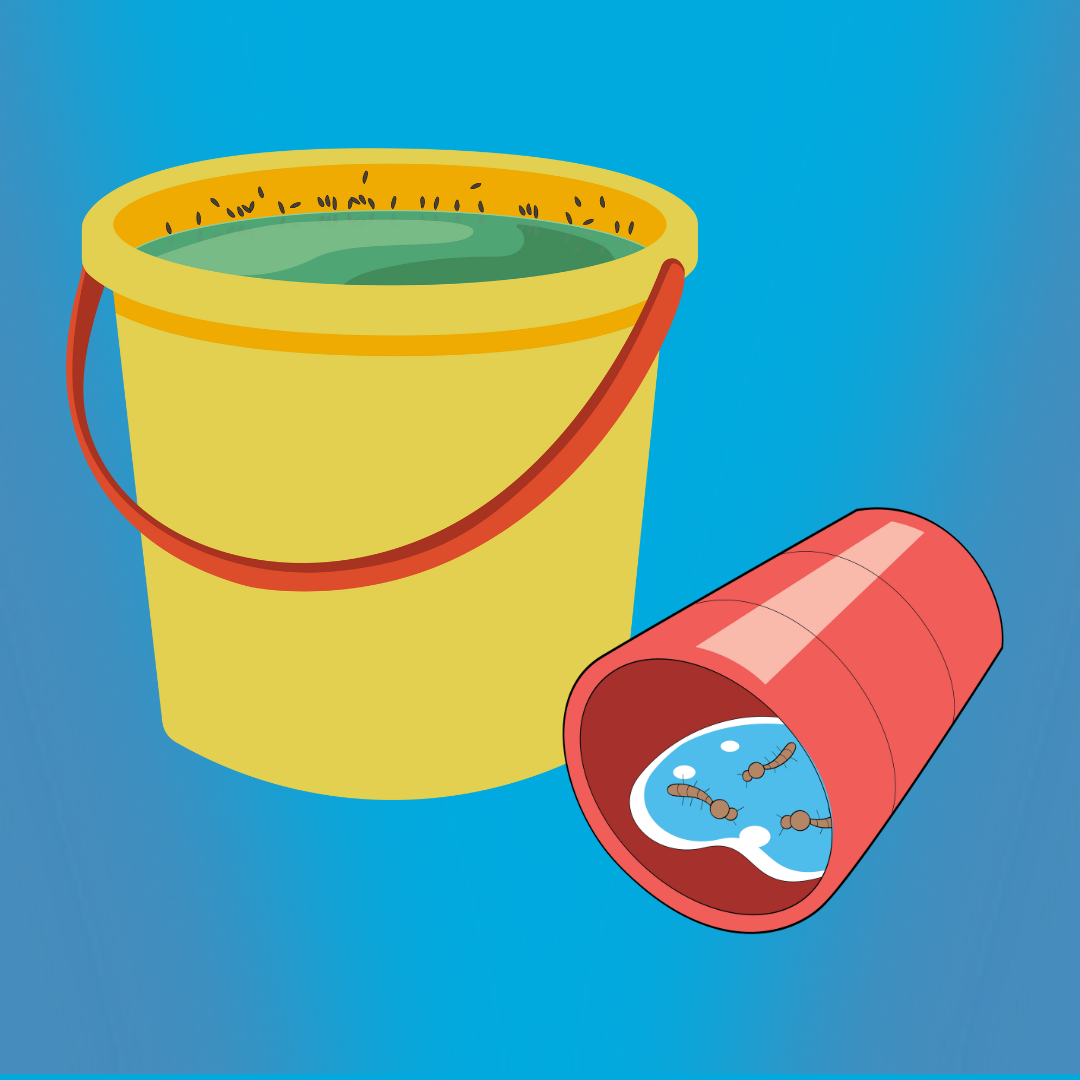
Inspect around and inside your property for potential mosquito sources, even as small as a spoonful of water. If standing water is found, remove it.

If the source is not removed, you must check weekly for standing water to prevent mosquitoes. Remember to look for mosquito sources every week and after rain events.

How to Prevent Mosquitoes Around Your Home







BIRD BATHS
Dump out once a week or flush out with a garden hose.
ORNAMENTAL PONDS AND FOUNTAINS
Filter water or apply larvicide to prevent breeding.
WHEELBARROWS
Store upside down when not in use.
OUTDOOR GRILLS
Keep covered. Ensure the vent is closed.
BASES AND STANDS OF PATIO FURNITURE
Fill with sand or, if filled with water, be sure to screw on the plug. Keep water out of depressions in the stand.
BROMELIADS OR PLANTS THAT HOLD WATER
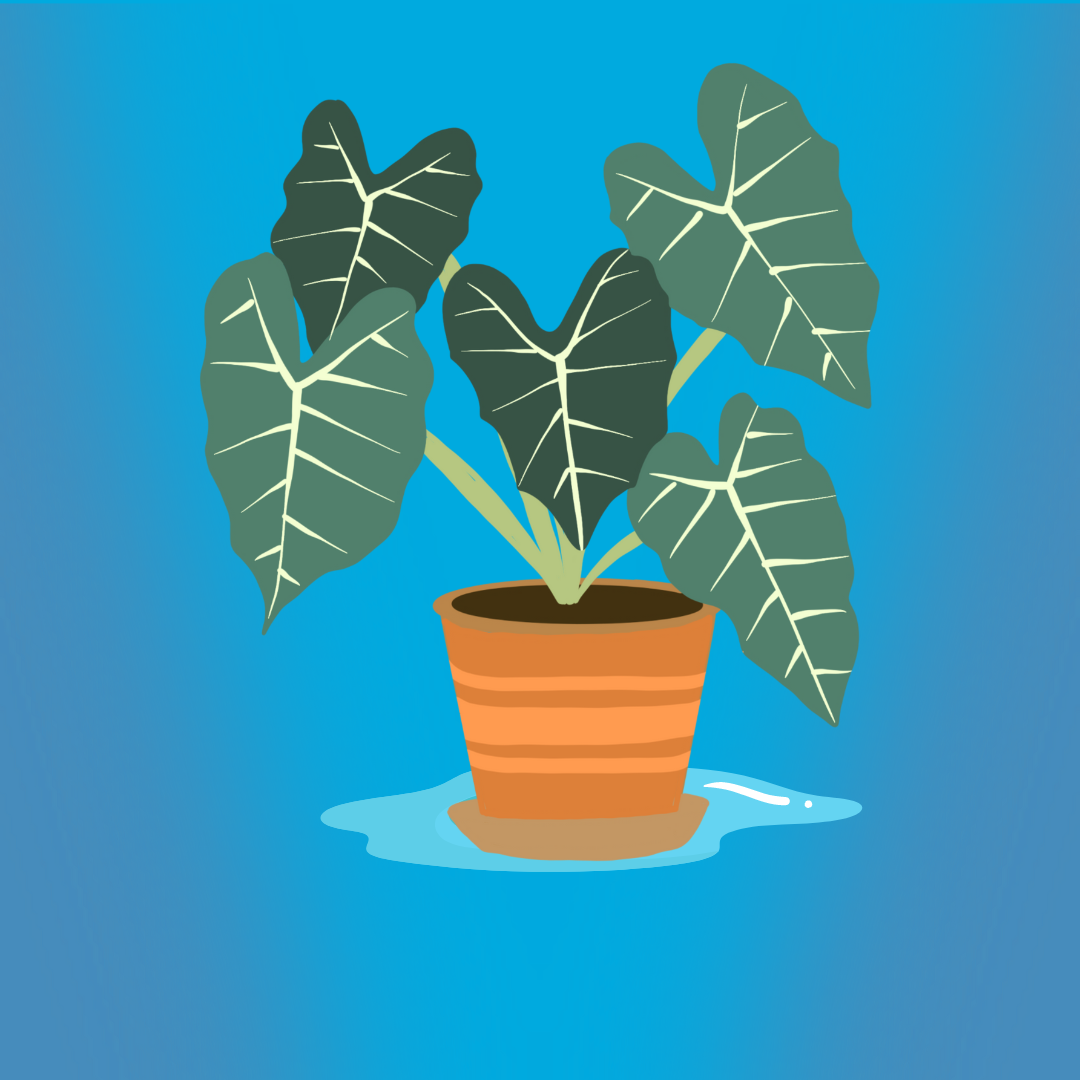
Turn the plant over to dump water. For plants too large, flush out cavities with a garden hose once a week. Discard or remove from landscaping if possible

PORTABLE BASKETBALL HOOPS
Ensure caps for fill holes are in place; replace if lost.
KIDDIE POOLS
Empty or change water in kiddie pools every 5-7 days. Store indoors or turn over when not in use.
SAND BOXES
Drill small drainage holes on the bottom of the sandbox.
TOYS, WAGONS, ETC.
Keep toys turned over or inside when not in use. If water can get inside a plastic toy, so can a mosquito—drill drainage holes in the bottom.
DEFLATED TOYS/POOLS
Drain off water, dry out, and store indoors when not in use.

BOATS AND CANOES
Pump out bilges. Turn over canoes and small boats. If turning over is not possible, dump out after each rain.
JET SKIS
Rinse out the foot depressions with a hose.
POOL PUMPS AND DRAINS
Check weekly to ensure water is draining from the area.
OLD PLAYGROUND EQUIPMENT
Remove and dispose of. If it must be stored, put it under cover. Be sure the water drains off.
POOLS AND SPAS
Turn over kiddie pools when not in use. Contact the District when swimming pools and spas are in nonoperational condition. If draining, wet/dry vacuum to remove water.




Three Simple Steps to Reduce Mosquitoes
- Tip out stagnant water weekly.
- Toss unused containers that collect water, or store them in a dry area.
- Protect yourself with an EPA-registered mosquito repellent.

Frequently Asked Mosquito Prevention Questions
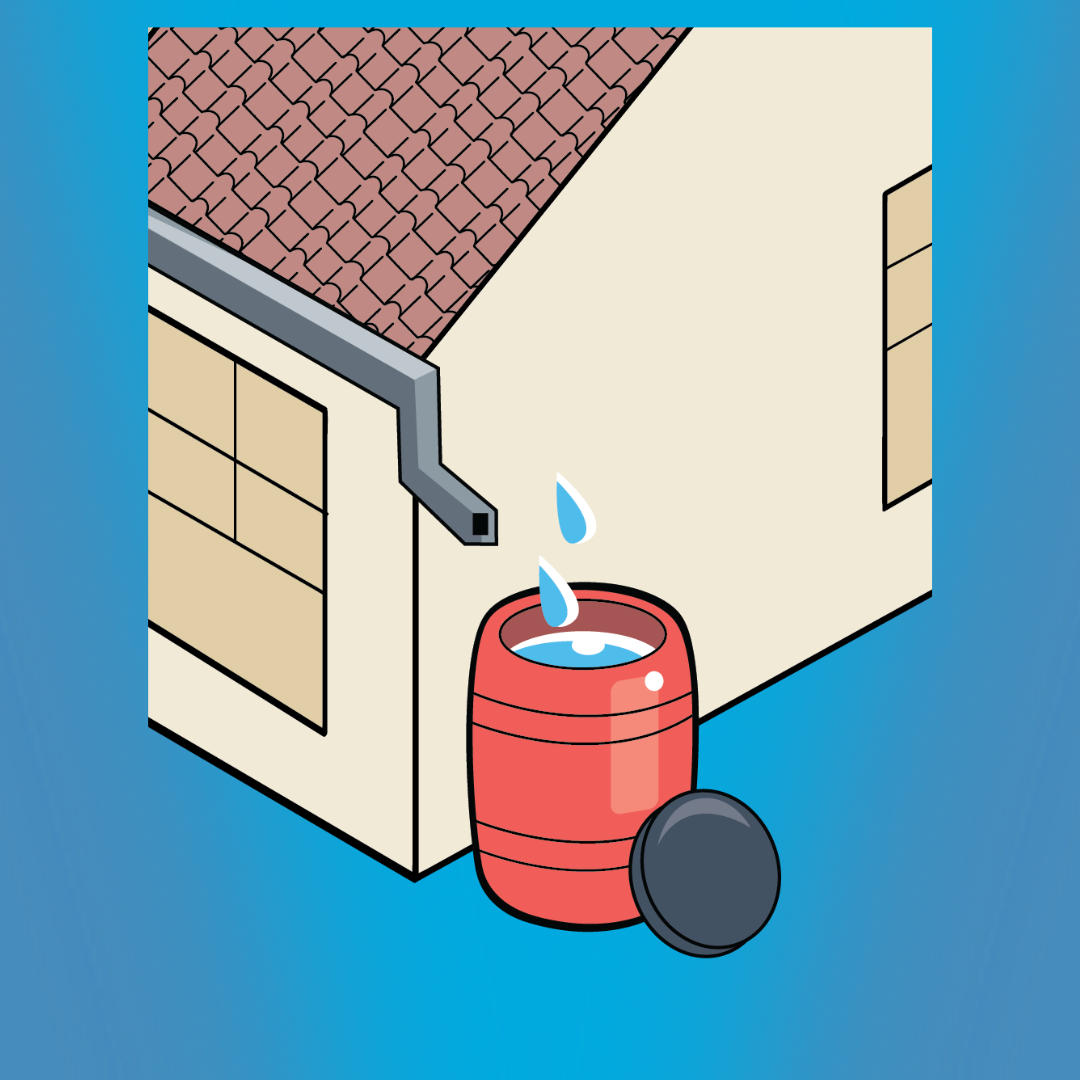
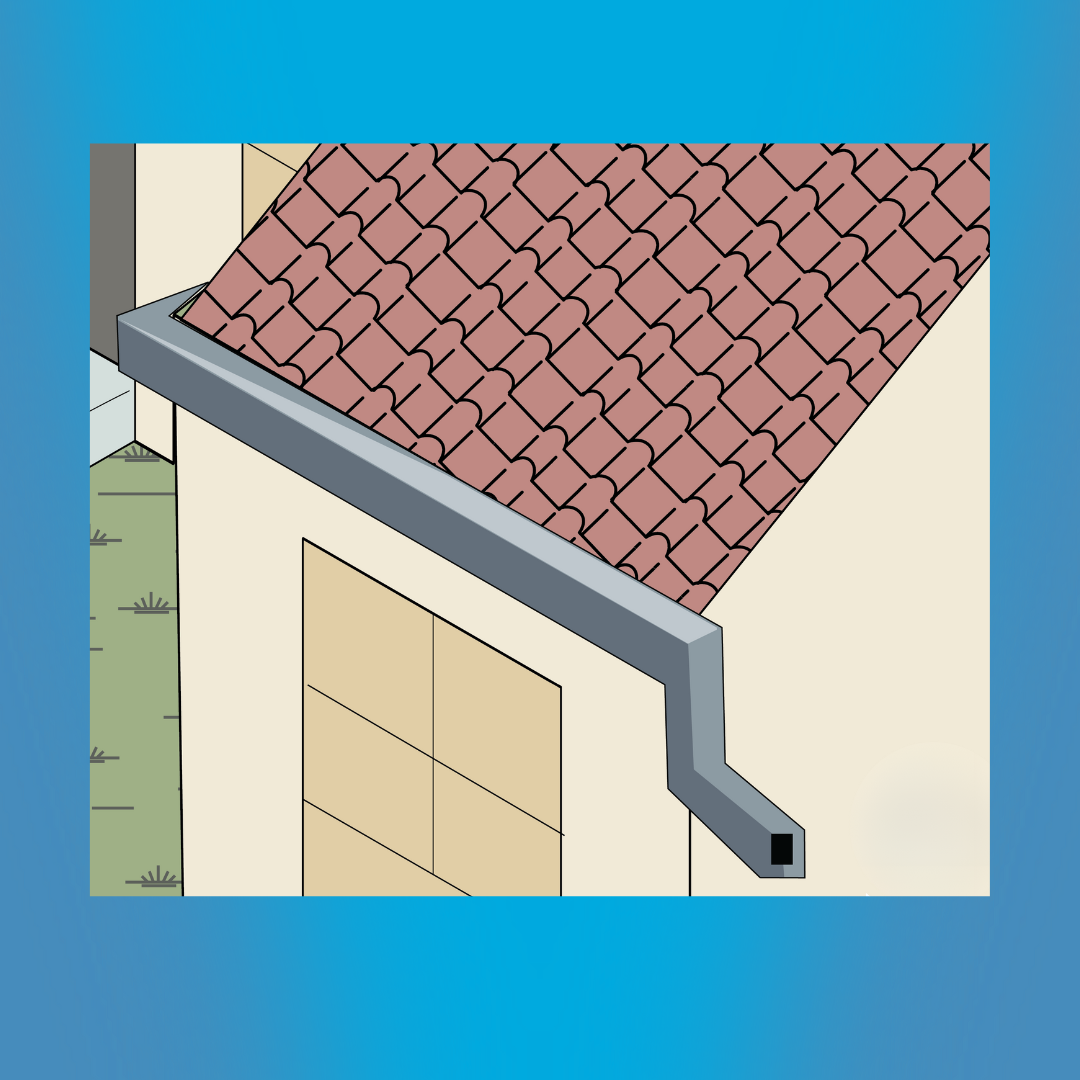
Even if your yard is clean and well-maintained, you can still have mosquitoes. Mosquitoes can fly in from neighboring properties, parks, green spaces, or other nearby areas where standing water allows them to grow. Female mosquitoes only need a small amount of water, such as in clogged gutters, flowerpot saucers, bird baths, or neglected containers, to lay their eggs. Some mosquito species can also travel several hundred feet in search of a blood meal.
To reduce mosquitoes around your home, inspect your property every week and tip out standing water, toss unused containers, and protect yourself with an EPA-registered mosquito repellent when spending time outdoors. If you're experiencing an unusual number of mosquitoes despite taking these steps, contact SGV Mosquito for a free property inspection. Our trained technicians can identify hidden mosquito sources and recommend effective mosquito control solutions.
Mosquito activity depends on the species, but many mosquitoes are most active during the early morning and around dusk, when temperatures are cooler. However, invasive Aedes mosquitoes, including the invasive mosquitoes found throughout Southern California, are aggressive daytime biters and are most active during the early morning and late afternoon, though they can bite throughout the day.
To reduce your risk of mosquito bites, wear an EPA-registered mosquito repellent whenever you're outdoors, especially during peak mosquito activity.
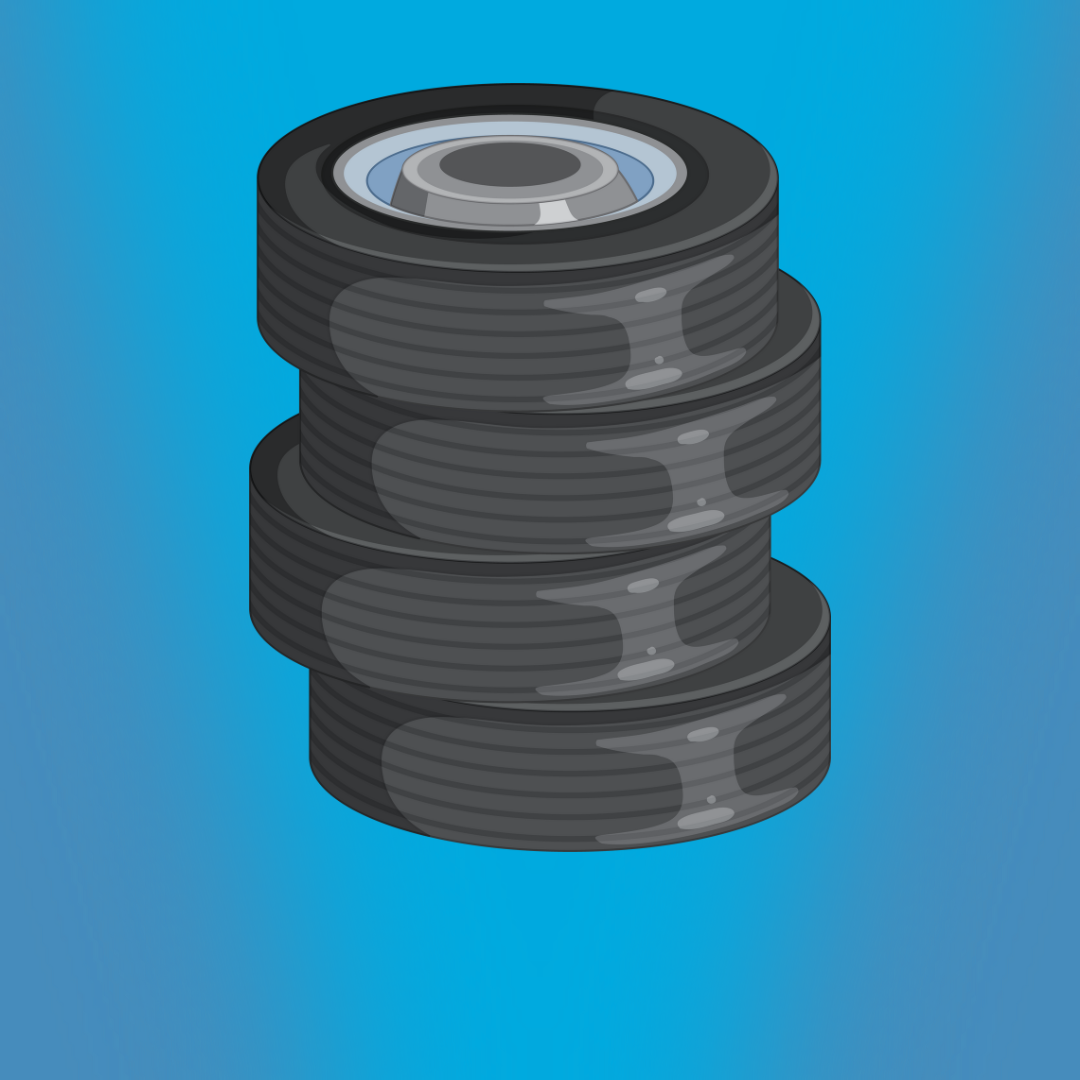
Mosquitoes need surprisingly little standing water to grow. Some species can lay their eggs in as little as a bottle cap of water or a spoonful. It only takes about one week for mosquito eggs to develop into biting adults under warm conditions. Common mosquito sources include flowerpot saucers, buckets, bird baths, clogged gutters, children's toys, tarps, old tires, and any container that holds water for several days.
You should contact SGV Mosquito if you're experiencing an unusually high number of mosquitoes, notice mosquito sources on your property, or find standing water that you cannot safely remove. Our trained vector control technicians provide free mosquito inspections for residents and can identify hidden mosquito sources, recommend effective mosquito control solutions, and, when necessary, treat mosquito breeding sites.
You should also contact SGV Mosquito if you notice neglected swimming pools, abandoned properties with standing water, or receive frequent mosquito bites despite removing standing water around your home. Early reporting helps reduce mosquito populations and lowers the risk of mosquito-borne diseases like West Nile virus and dengue in the community.
If you're unsure whether a mosquito problem requires professional assistance, we're here to help. Request a free property inspection to protect your home and neighborhood from mosquitoes.

