Are Bug Zappers Really Effective Against Mosquitoes? The Answer May Surprise You!
Bug zappers primarily kill beneficial insects, not mosquitoes!

Effectiveness Against Mosquitoes
To investigate the effectiveness of bug zappers on mosquitoes, the Department of Entomology and Applied Ecology at the University of Delaware spent 10 weeks analyzing bug zappers. Altogether, over 13,000 insects were zapped and collected.
RESULTS
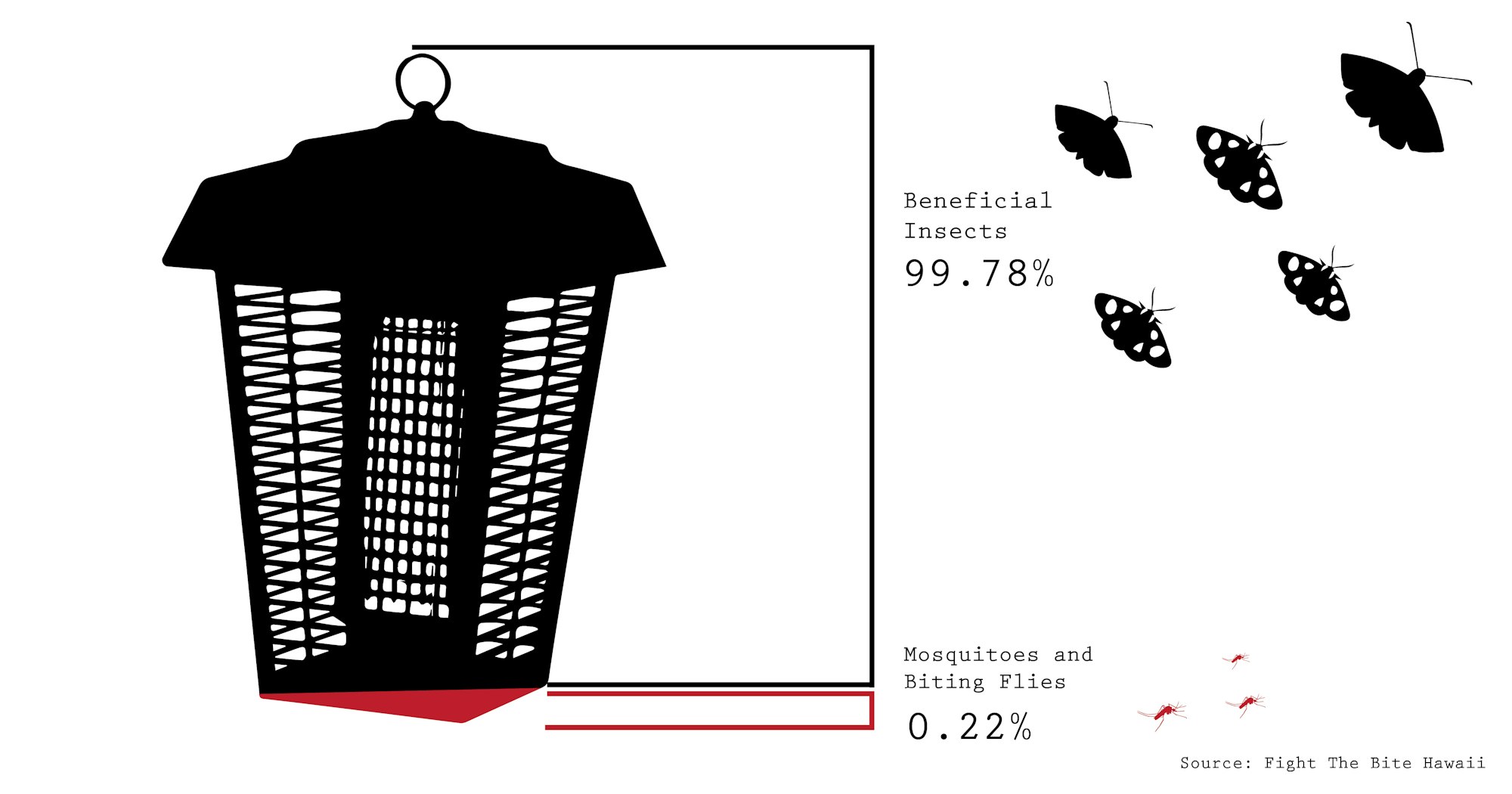
Out of 13,000 zapped insects, less than 0.25% were mosquitoes 🦟
Out of 13,000 zapped insects, over 99.75% were beneficial insects (not mosquitoes!) 🐜
Based on the study's results, bug zappers are killing beneficial insects like beetles and moths, which can result in negative effects on local ecosystems.
Experts and studies from Colorado State University Extension and the American Mosquito Control Association concluded that bug zappers are not effective at controlling biting mosquitoes.
Experts cited in an article from the Wirecutter also concluded that bug zappers have the unintended consequence of killing beneficial insects.
Female mosquitoes (the mosquitoes who bite us) are hardwired to sense the attractive signals that our bodies emit. They do not care about zapper lights.
When we exhale, we emit CO2, which a female mosquito can detect from far away. As she flies closer, our naturally occuring body-odor-chemistry helps her confirm that we are a source of blood. (source: United States Health and Human Services' National Institute of Health)
Unfortunately, bug zappers don't do the same things humans can-- which is why mosquitoes aren't attracted to them!
Best Ways to Stop Mosquitoes from Biting
Turns out, carbon dioxide and body odor chemistry are elements we can't control. But luckily, there are a handful of voluntary actions that we can do to lower mosquito presence
Choosing California native plants and avoiding dense vegetation can help create a healthier, more mosquito-resistant yard.
Native plants are adapted to local conditions and typically require less water, reducing the need for excessive irrigation that can create mosquito breeding habitats.
Dense, overgrown vegetation also provides cool, shaded resting areas where adult mosquitoes hide during the day.
By selecting native plants and keeping landscaping well-maintained and properly spaced, you can help reduce mosquito activity around your home while supporting local wildlife and conserving water.

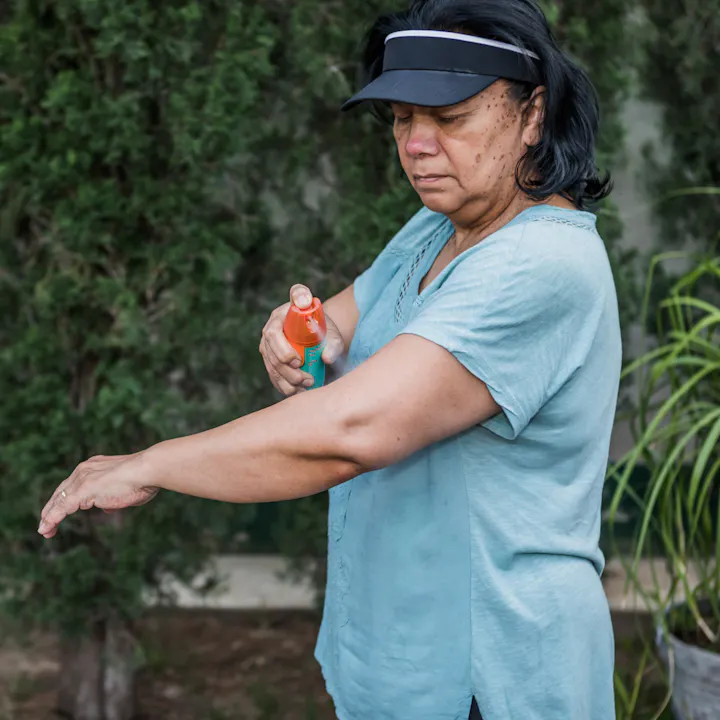
Wearing insect repellent is one of the best ways to protect yourself from mosquito bites.
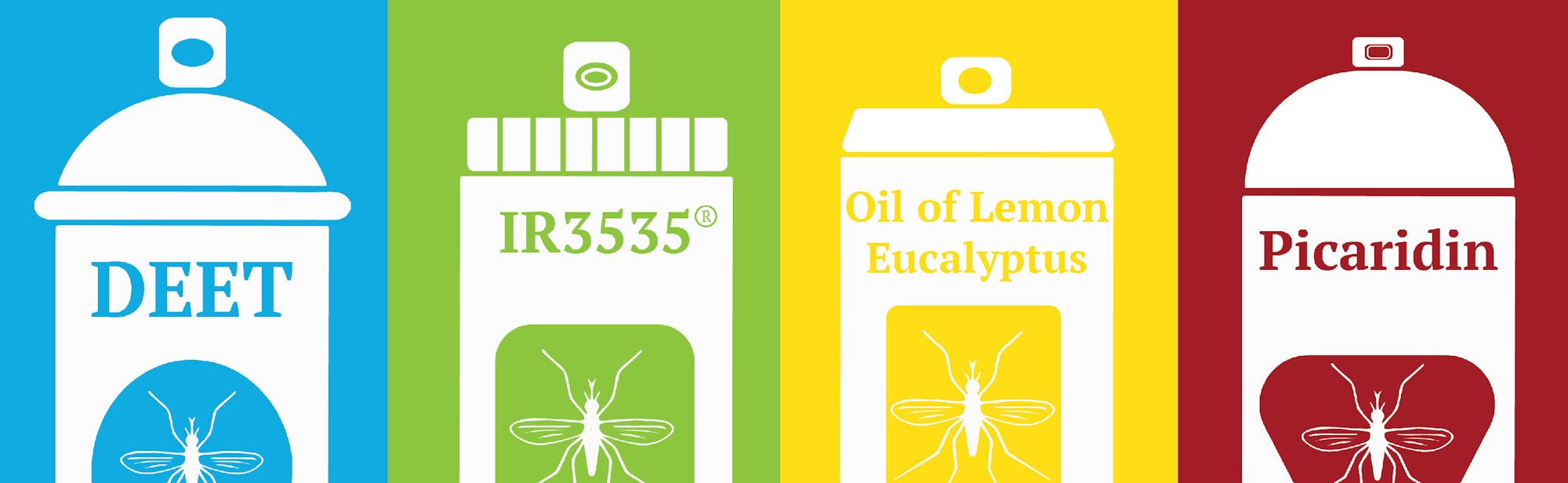
Choose a repellent that contains one of four proven active ingredients: Picaridin, Oil of Lemon Eucalyptus, IR3535, or DEET.
When used as directed, these repellents are safe and effective at preventing mosquito bites and reducing the risk of mosquito-borne diseases.
Apply repellent before spending time outdoors, especially during times when mosquitoes are most active.
Tip, Toss, and Protect is one of the most effective ways to prevent mosquito bites and reduce mosquito populations around your home.
Mosquitoes can lay eggs in even small amounts of standing water found in items like buckets, flowerpot saucers, tires, and toys.
By regularly tipping out and tossing containers that collect water, you can eliminate mosquito breeding sites before they become a problem.
Protect yourself and your family by using EPA-registered insect repellent, wearing long sleeves and pants when possible, and making sure window and door screens are in good condition.

June 2026