Landscape Mosquitoes Out of Your Yard

Did you know that your yard might be harboring mosquitoes?
You have put time, love, and water into your garden, only to find that the moment you step outside to enjoy a quiet sunset or watch the kids play, you are greeted by mosquito bites. It is incredibly frustrating to have a beautiful space you are finally ready to relax in, only to be driven back inside by pests.
The truth is, your yard might be harboring mosquitoes and they are drawn to the exact features that make a garden look "lush." Because mosquitoes are weak fliers, they seek out "micro-climates" or areas with dense, non-native foliage that block the wind and trap humidity. These spots act as a high-end resort for mosquitoes to escape the Southern California heat, allowing them to rest, cool off, and wait for their next blood meal -- you, your family members, or your pets.
Examples of dense vegetation that attracts pests, like mosquitoes:
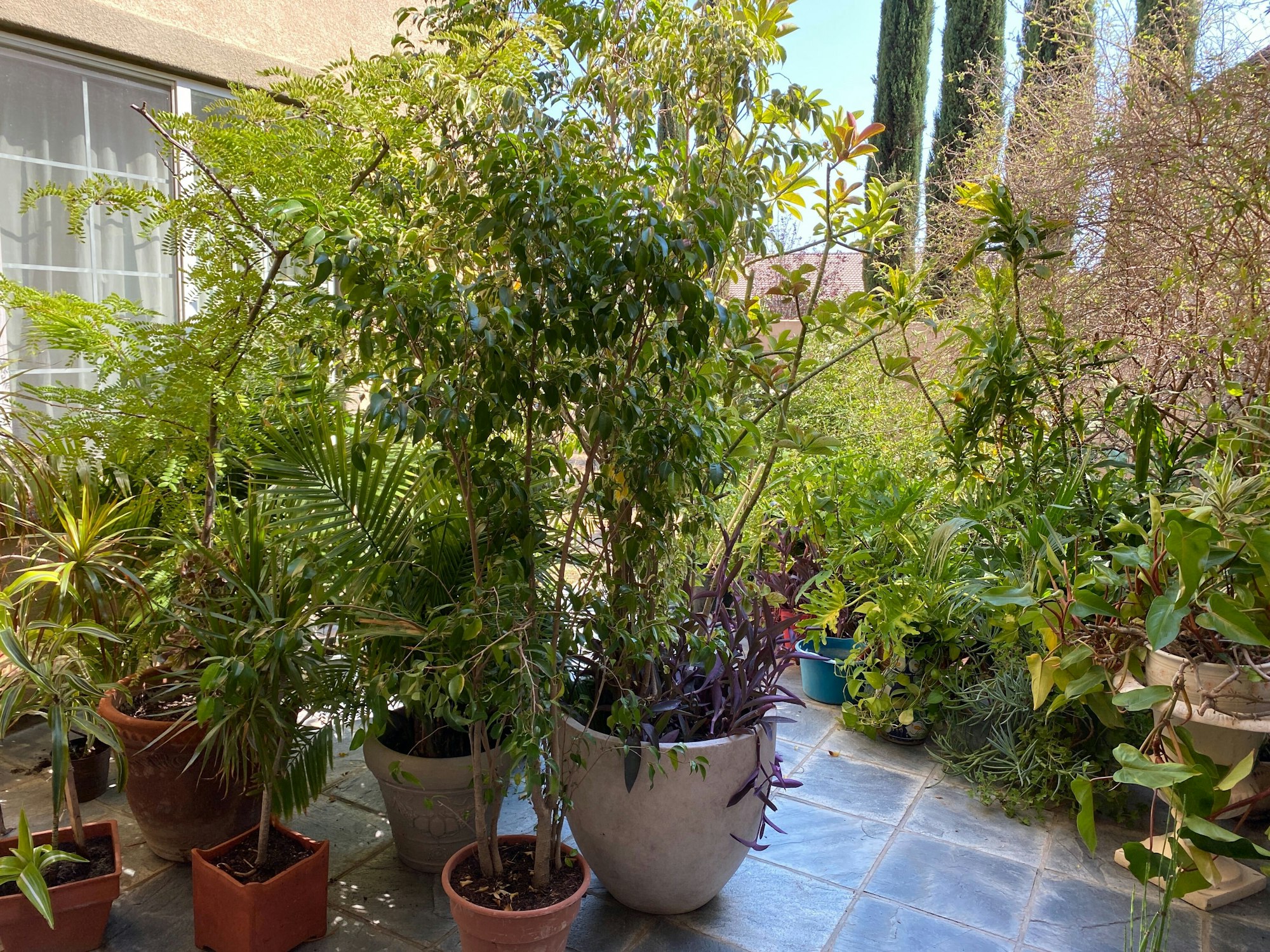


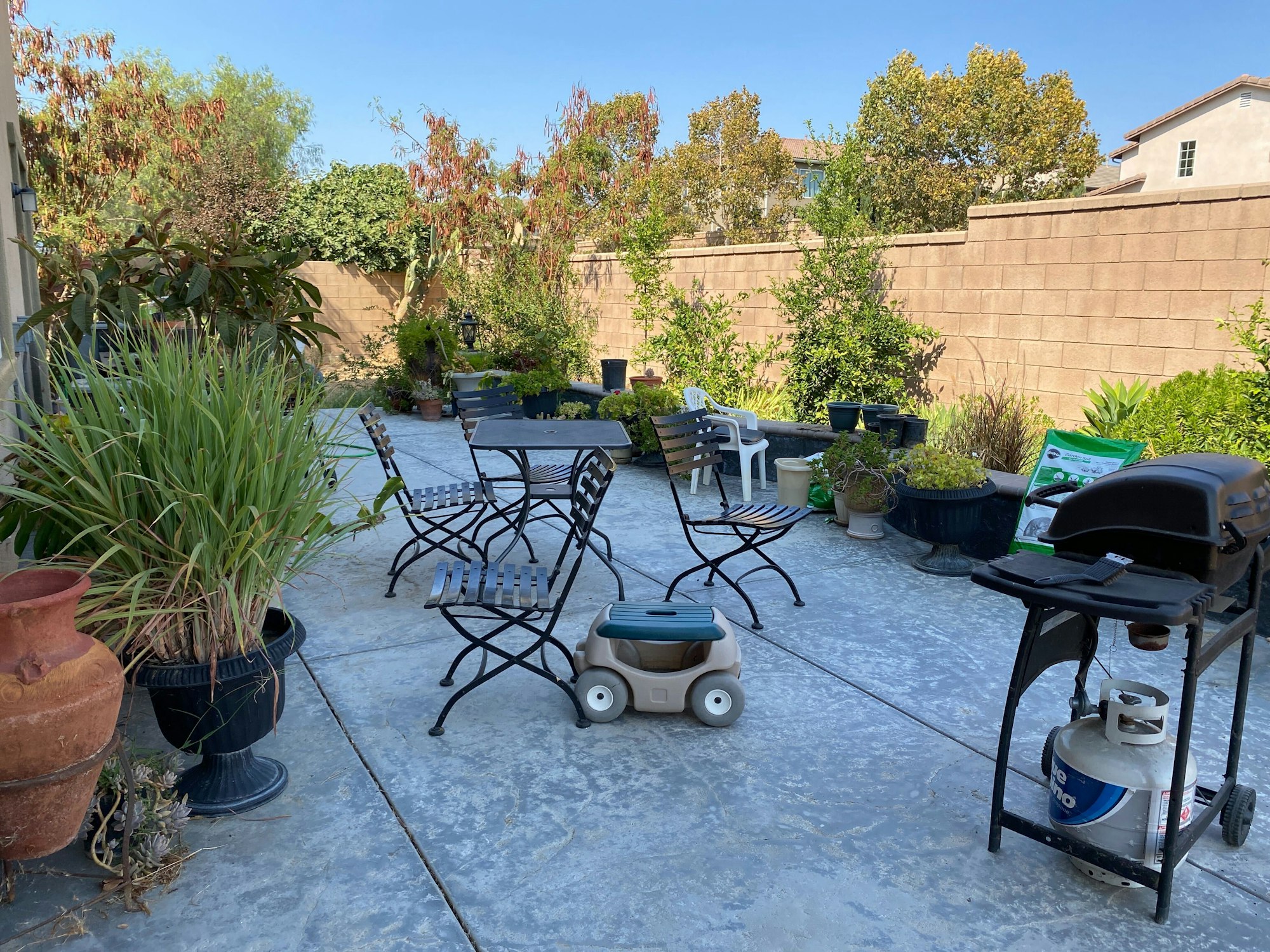
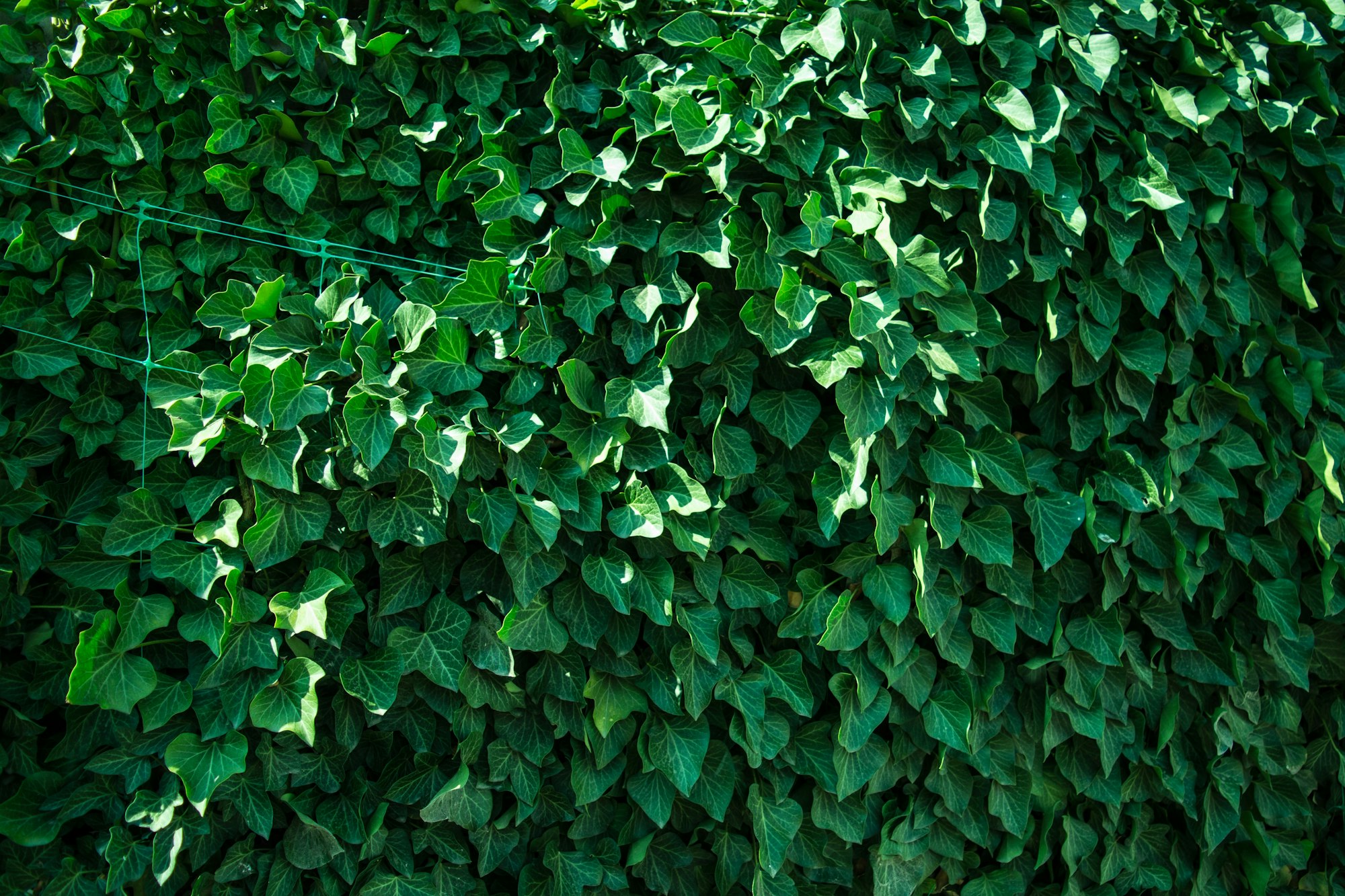
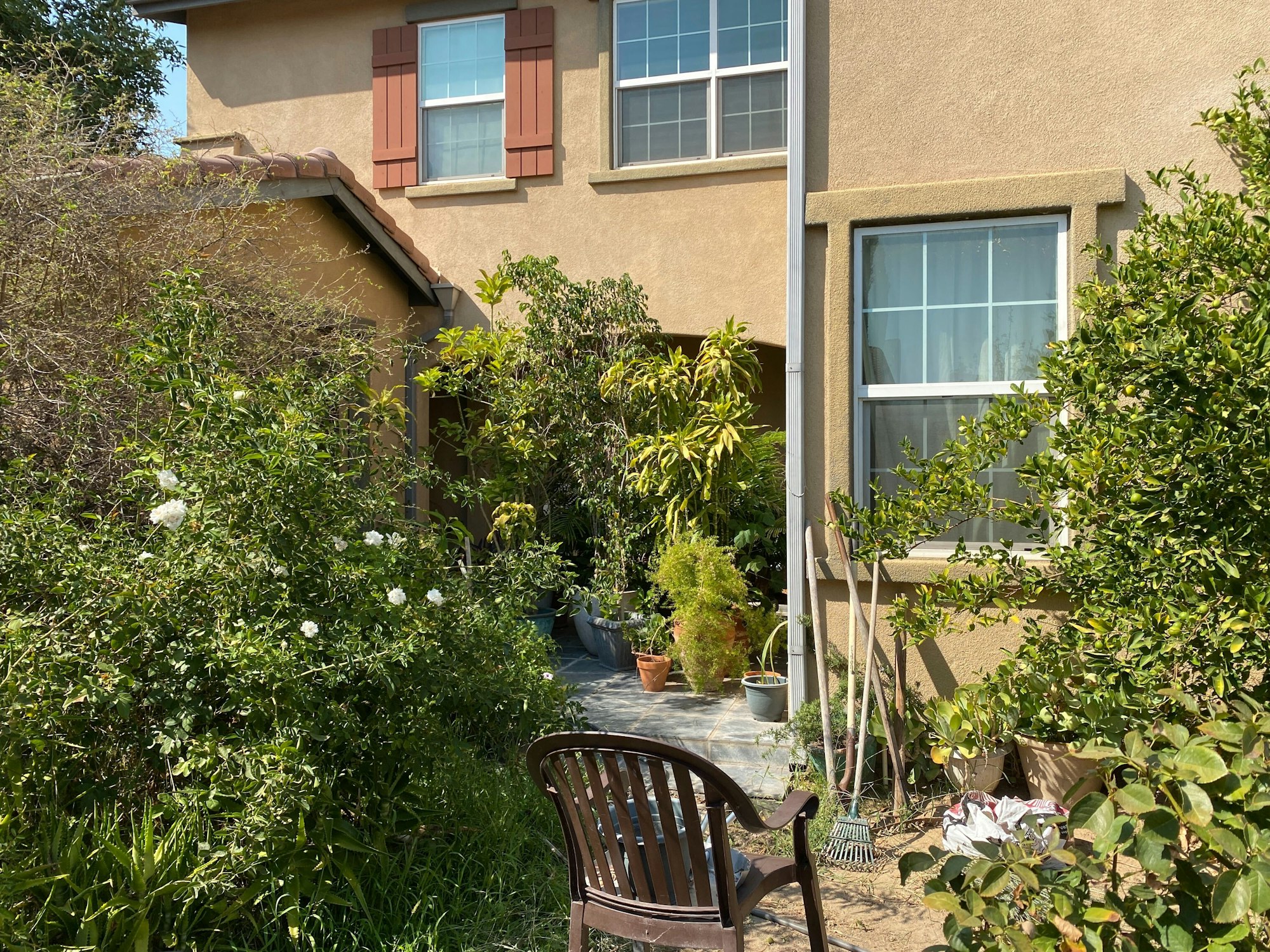


Many non-native plants, like bromeliads and lucky bamboo are common in Southern California offer these perfect resting spots for mosquitoes to escape the heat. For example, tropical bromeliad plants can breed mosquitoes when water stagnates within their leaves.

But you don’t have to choose between a green space and a bite-free home. By switching to California Native Plants and utilizing landscape management, you can "landscape mosquitoes out" of your yard while creating a beautiful, biodiverse, and water-wise space you can actually enjoy.
Native plants provide more than just beauty, they are a core component of a healthy, bite-free ecosystem.
California Native Plants invite biodiversity into your backyard as you create an ecosystem for beneficial bugs like butterflies, ladybugs, & bees.

How to Landscape Mosquitoes Out
Working outdoors puts you at high risk for mosquito bites. Protect yourself and other outdoor workers with these essential practices:

- Dress for the Job: Wear lightweight, light-colored, long-sleeved shirts and long pants. Mosquitoes are attracted to dark colors and can easily bite through tight denim.
- Apply EPA-Registered Repellent: Use products with active ingredients proven to work:
- Sunscreen First, Repellent Second: Apply sunscreen, let it dry for a few minutes, then apply your mosquito repellent over it.
- Reapply Correctly: If you are sweating heavily, reapply your repellent according to the product label instructions.
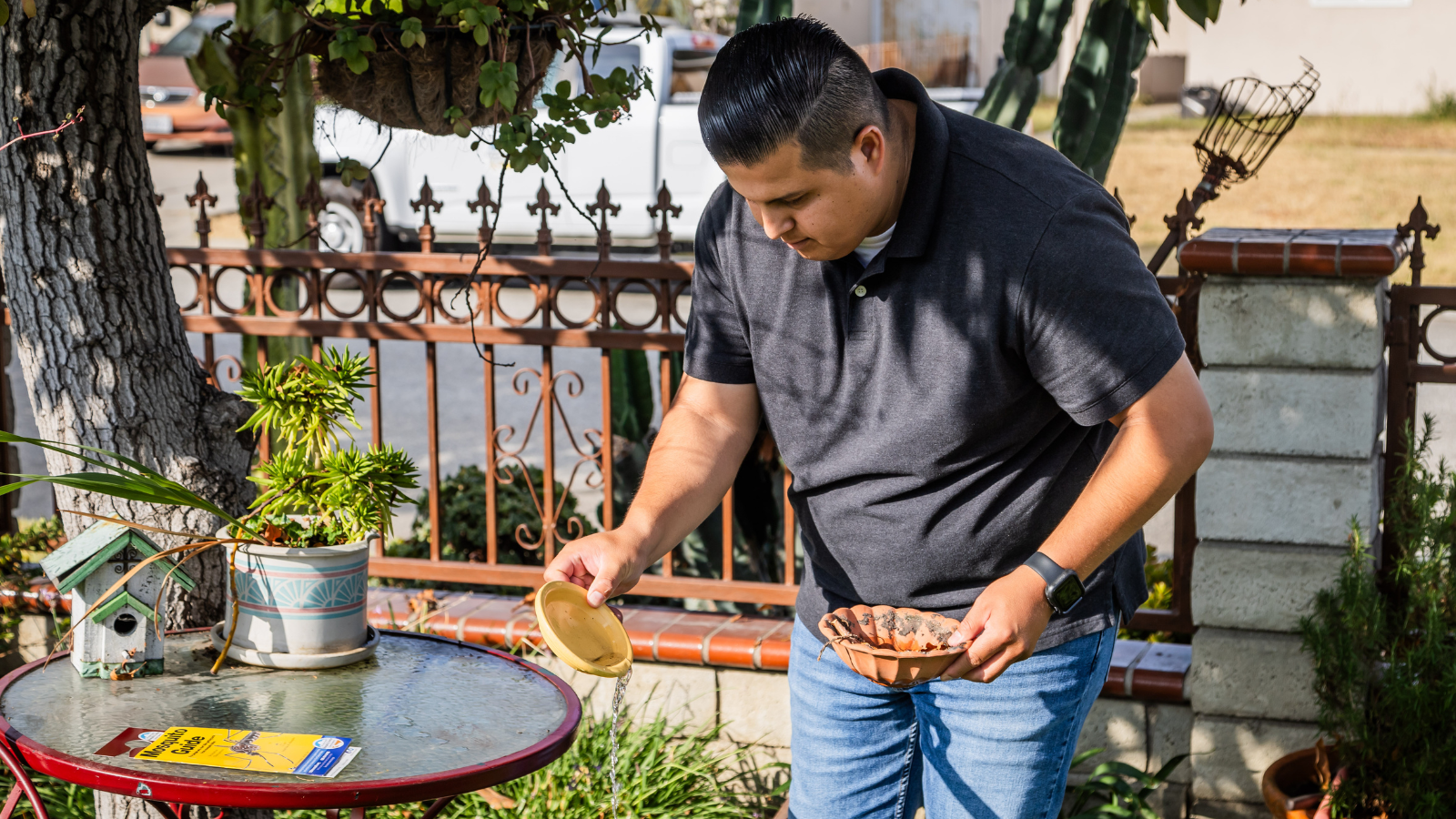
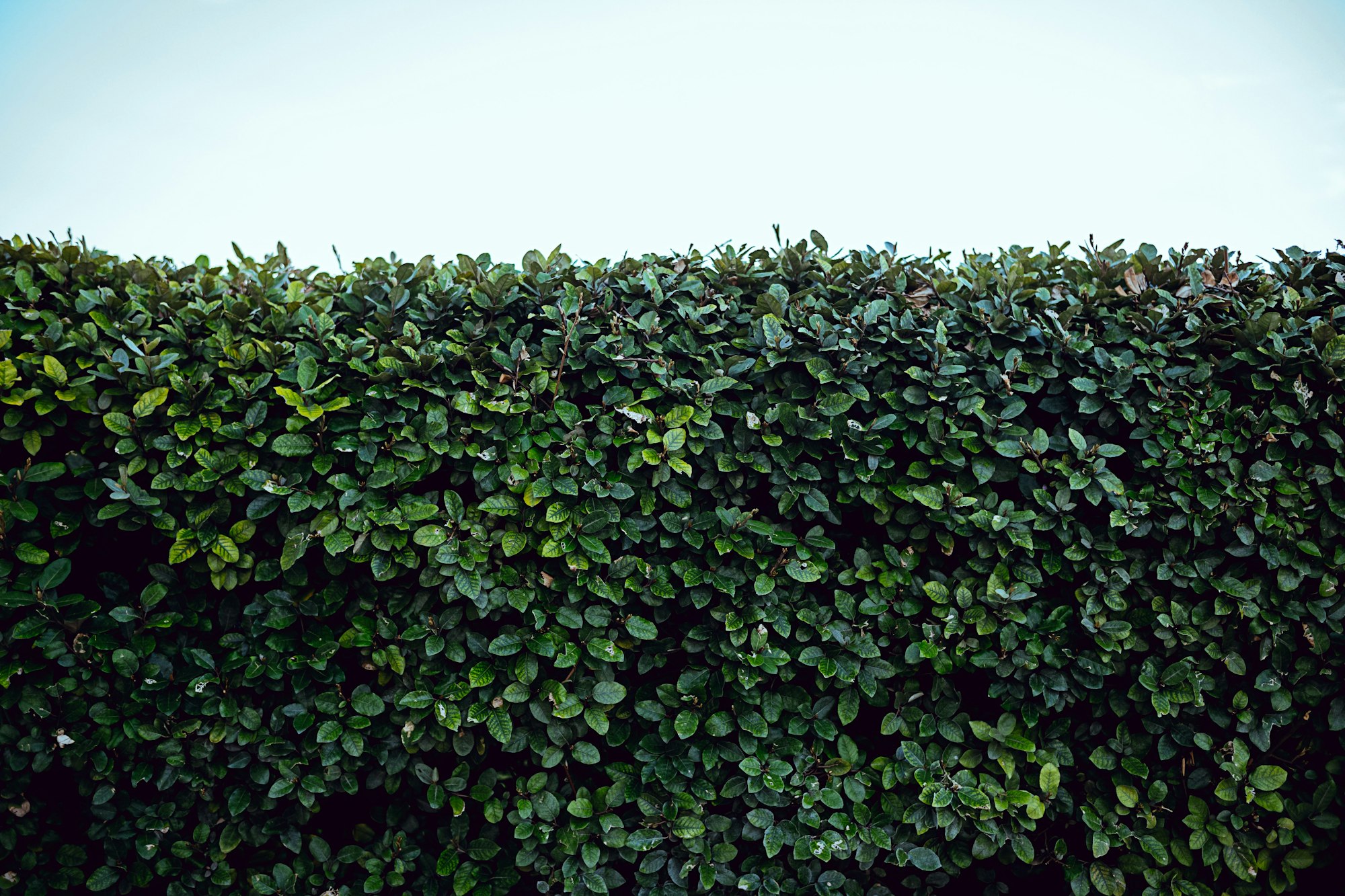
Walk through your property. Are there cool, shady areas with dense plants, ivy, or thick hedges? These are prime mosquito resting spots. Identify these spots for potential pruning or replacement.
Mosquitoes need only an ounce of water to breed.

Regardless of your California Native plant choice, you must eliminate "hidden" sources of stagnant water:

- Drainage Issues: Check French drains, storm drains, and underground corrugated pipes.
- Common Sources: Regularly empty water from birdbaths, fountains, rain barrels, watering cans, and tarps.
-
Plant-Specific Risks:
- Bromeliads: Their leaves form cups that retain water. Avoid these or manage them carefully.
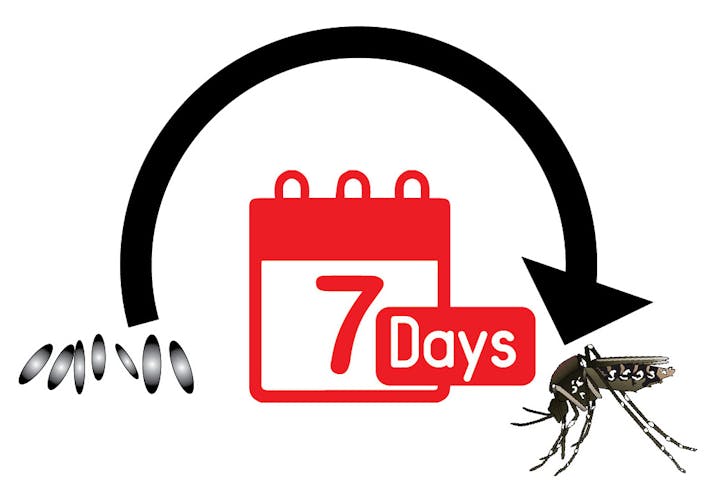
- Water-Rooted Plants: Plants rooted in water are permanent mosquito breeding sites unless the water is changed every 7 days.
- Unexpected Sources: Always inspect gutters, old tires, and even small plant saucers that may have collected water after irrigation or rain.

Even with native plants, maintenance is key.
- Thin out density: Trim bushes, trees, and heavy foliage to increase airflow.
- Expose the stems: Trim foliage upwards to leave stems exposed; this ensures you can easily spot any stagnant water underneath.
- Clear the debris: Remove leaf litter and dead debris caught inside shrubs, as these trap moisture and create hidden pockets for water.
Swap mosquito-attracting plants for these beautiful, native alternatives, which provide your home with the same modern appeal, and reduce the mosquitoes.
Start by evaluating your garden’s unique sunlight and soil needs while selecting airy, open-structured native species that promote airflow to discourage mosquito-breeding micro-climates. Then, layer in your personal aesthetic and Feng Shui principles by strategically grouping these plants to foster balanced energy flows, ensuring your landscape is not only bite-free but also a harmonious, visually stunning retreat.
You will want to understand the plant type, water requirement, and what specialty feature that native plant can provide to your garden.
Here are some examples:
White Sage (Salvia apiana)
- Plant Type: Shrub
- Water Requirements: Very Low
- Specialty Features: Bees, Butterflies, Hummingbirds, Pollinators
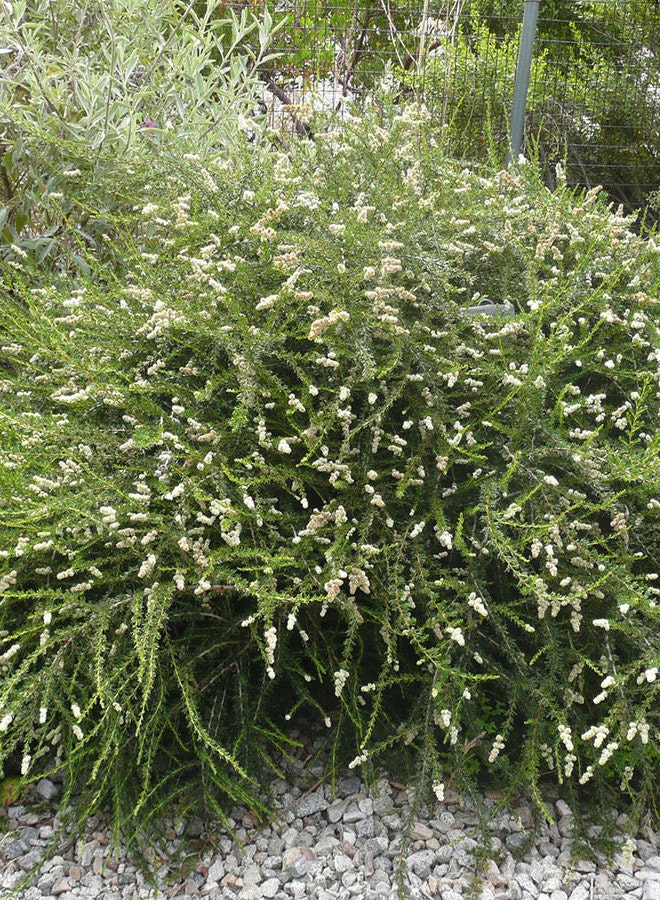
California Buckwheat (Eriogonum fasciculatum)
- Plant Type: Shrub
- Water Requirements: Very Low
- Specialty Features: Butterflies, Pollinators, Erosion Control, Deer Resistant
Toyon (Heteromeles arbutifolia)
- Plant Type: Shrub/Small Tree
- Water Requirements: Low
- Specialty Features: Songbirds, Pollinators, Erosion Control
Western Redbud
- Plant Type: Tree
- Water Requirements: Moderate
- Specialty Features: Butterflies, Pollinators
Our Favorite California Native Plants to Consider
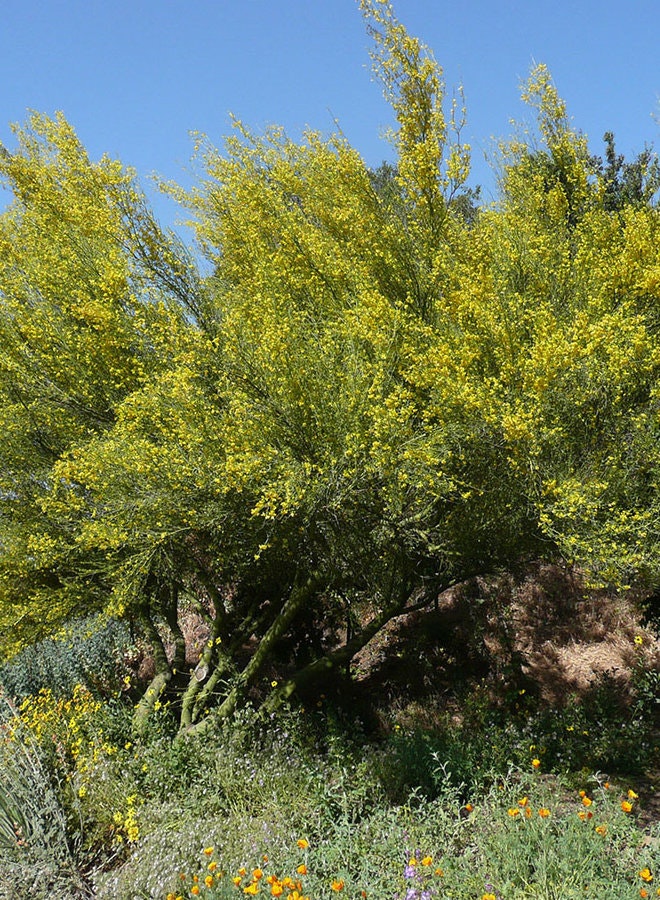
Images provided by Theodore Payne Foundation.





- No More Mosquito Hangout Spots: Unlike ivy and thick non-native hedges, California native plants are less likely to create the dense, humid "micro-climates" mosquitoes need to rest and cool off.
- Less Stagnant Water: Native plants require significantly less water than traditional landscapes, limiting potential mosquito-breeding sources.
- Less Mosquito Bites & Pests: Fewer protective micro-climates mean mosquitoes and other pests have fewer places to wait and prey on you, your family, and your guests.
- Save Money & Resources: Native plants thrive on low-nutrient soil and use approximately 1/7th of the water required by non-native alternatives. Plus, no lawn mowing means less noise pollution!
- Build a Healthier Ecosystem: With a natural defense against pests, you’ll rely less on pesticides. Deep root systems also prevent soil erosion, keeping our water and wildlife safe.
- Attract Pollinators: Native plants support vital pollinators like hummingbirds, butterflies, and native bees, helping you build thriving local biodiversity.
- Celebrate Our Roots: Growing native ecosystems helps us understand the balance between nature and people, connecting us to the unique landscape of Southern California.
Educational Resources from SGV Experts
From Theodore Payne Foundation
Is Your Yard a Mosquito Oasis_2026.pdf- For more information, please visit their website.
From California Botanic Garden
- Habitat Gardening: Guides for Butterflies, Birds, and Pollinators.
- Butterfly Biology & Habitat: Learn about lifecycles and host plants.
- Eating California: Using native plants in your diet and garden.
- Wildflower Bloom and Bust Cycles: Learn how our changing world could impact superblooms of the future.
- For more information, please visit their website.