Male Mosquitoes
When you think of mosquitoes, you probably think of itchy bites and the diseases they can spread, like West Nile virus and dengue. But did you know that not all mosquitoes bite?
Only female mosquitoes bite because they need the protein from blood to make their eggs.
Non-biting male mosquitoes play a role in the environment as pollinators and they're becoming an important part of innovative mosquito control in the San Gabriel Valley.
How to Identify a Male Mosquito
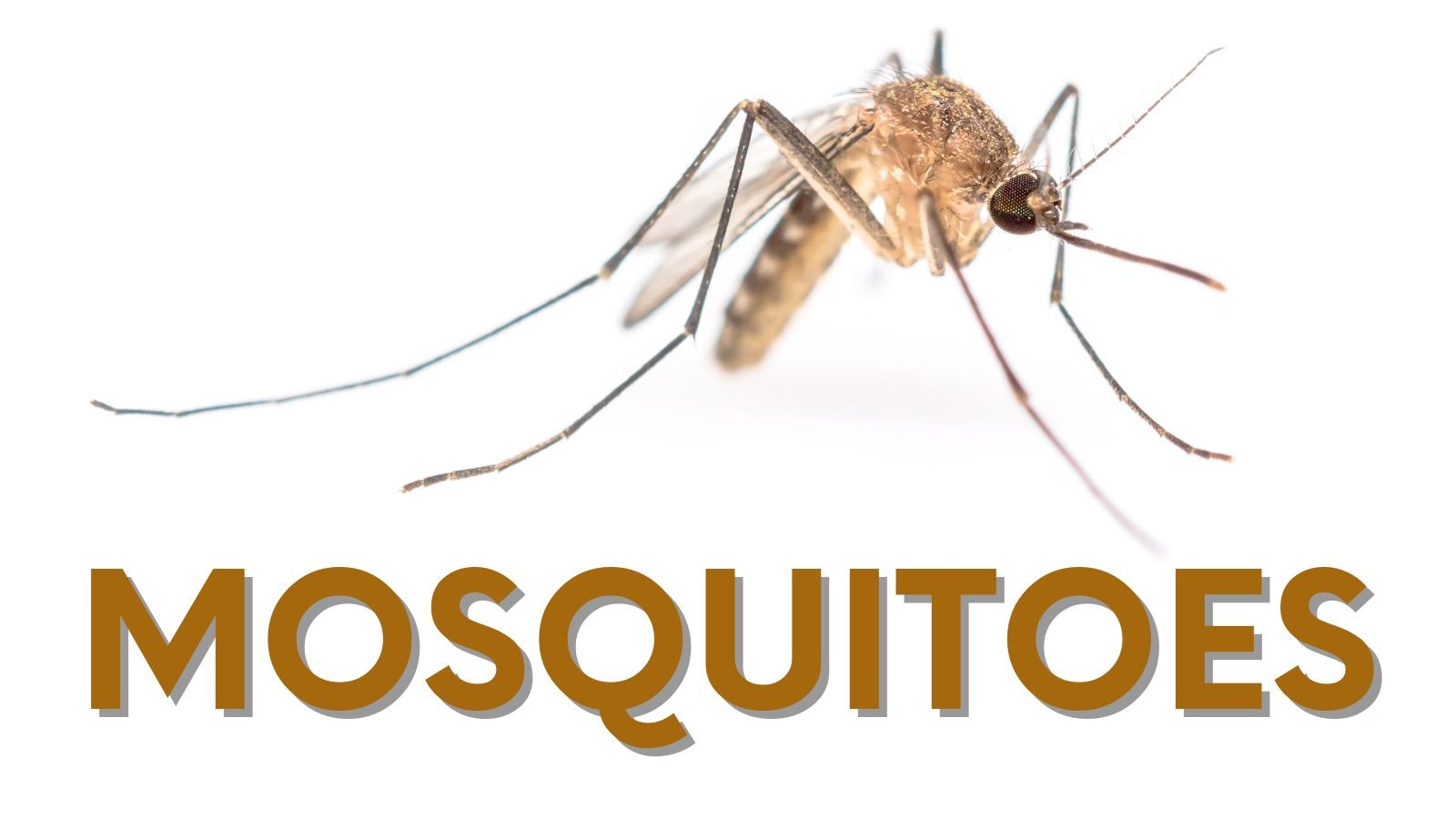
Male mosquitoes have a few distinguishing features that set them apart from females. The easiest one to recognize is their extra-fuzzy antennae.
- Fuzzy antennae: Male mosquitoes have bushy, feathery antennae that help them detect the wingbeat sounds of female mosquitoes.
- No biting: Male mosquitoes do not bite or feed on blood. Unlike females, they don't need a blood meal to produce eggs.
- Plant-based diet: Male mosquitoes primarily feed on flower nectar and other plant sugars for energy.
Although male and female mosquitoes can look similar at first glance, their antennae offer a useful clue. Those extra-fuzzy features aren't just for show, they help males locate potential mates.
Male Mosquitoes as Pollinators
Mosquitoes are more than just a nuisance. Adult mosquitoes feed on nectar, and as males visit flowers to collect this sugary energy source, they can transfer pollen between plants.
Although mosquitoes are not considered major pollinators for most plants, they contribute to pollination and are part of the larger ecosystem. Their role is a reminder that even insects with an unpleasant reputation can have a place in nature.
Making Male Mosquitoes Work For Us, Not Against Us
Male mosquitoes may not get much attention, but their role is worth a closer look. What if male mosquitoes could help us reduce the mosquito population? They don't bite, can help with pollination, and, through innovative approaches like Sterile Insect Technique (S.I.T.), can help reduce populations of disease-carrying mosquitoes.
At SGV Mosquito, we've launched our own S.I.T. program, SGV Mosquito Match, which uses science and innovation to rethink mosquito control and find new ways to protect our communities.
Here's how it works:
- Raise and prepare male mosquitoes. The program uses specially prepared male Aedes mosquitoes that are sterilized so they cannot produce viable offspring.
- Release the males into targeted areas. Because male mosquitoes do not bite, they can be released without adding biting mosquitoes to the environment.
- Let nature do the work. The released males mate with wild female Aedes mosquitoes. Because the males are sterile, those matings do not produce viable offspring.
- Help reduce mosquito populations. Over time, repeated releases can help reduce the number of mosquitoes in targeted areas.
- This approach targets specific mosquitoes while supporting our broader efforts to protect public health. It is designed to complement other mosquito control strategies, including surveillance, source reduction, and community education.
Mosquito Biology
A mosquito's life cycle consists of four separate stages shown below:
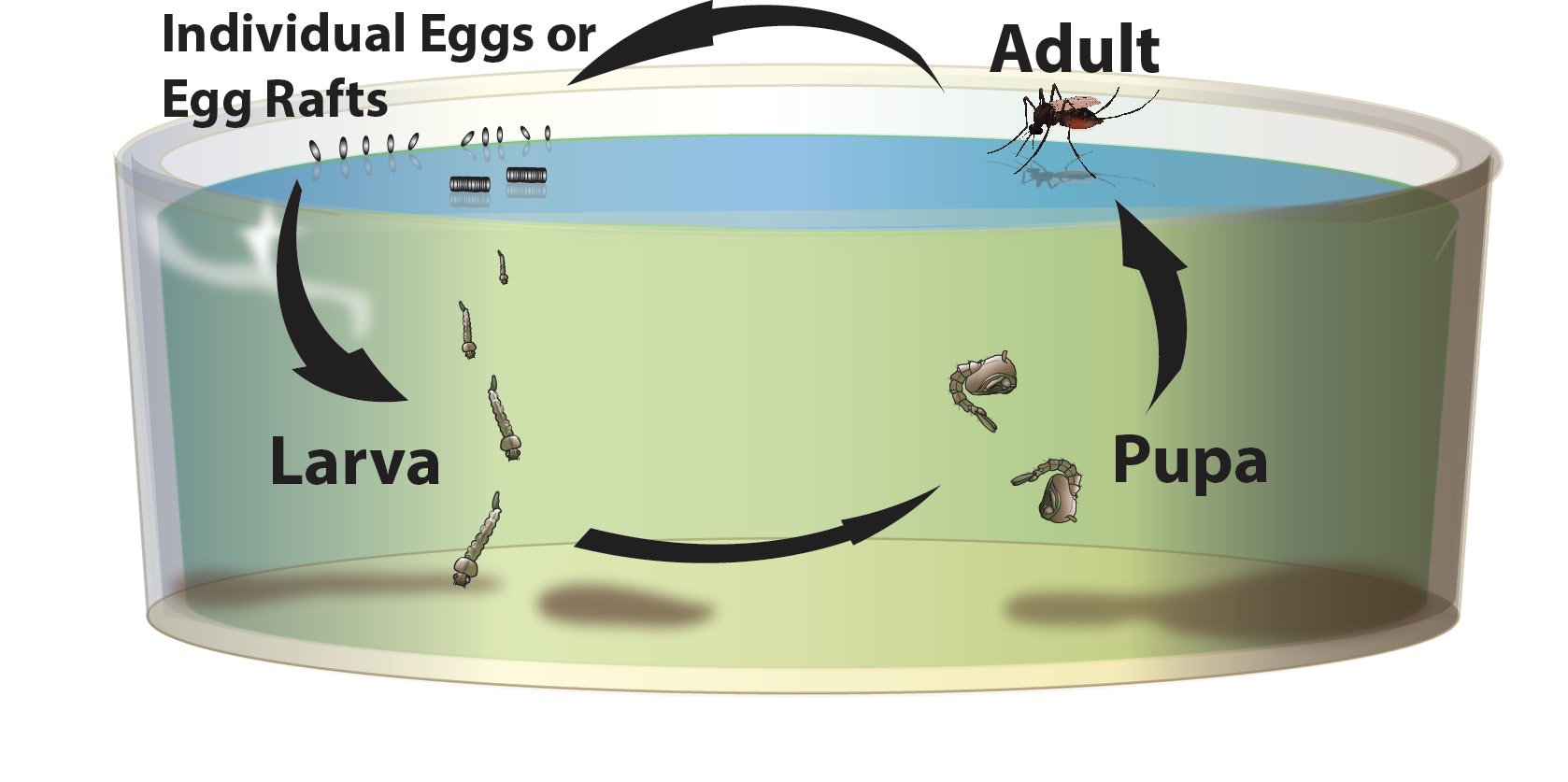
1) Egg - Adult mosquitoes emerge from their pupa cases and quickly mate. Both male and female mosquitoes feed on plant sugar (nectar), but only females require the extra protein from vertebrate blood to produce eggs. Once blood-fed and ready to lay eggs, the female mosquito locates stagnant (“standing”) water.
2) Larva - A mosquito larva is often mistaken for tadpoles, but they're the immature stage of the mosquito. The larva feeds by sweeping bacteria and algae into its mouth with special “brushes.” Larvae go through four molts called instars, shedding their exoskeleton each time to grow larger.
3) Pupa - The last larval instar molts and the mosquito enters the pupa stage. Feeding stops until it emerges as an adult after a couple of days later. Unlike the pupa of a butterfly, mosquito pupae are active and dart and tumble around when disturbed; an adaptive trait to avoid predators.
4) Adult - It can take less than a week for eggs to develop into adult mosquitoes.
Watch our video - Emerging Mosquito.
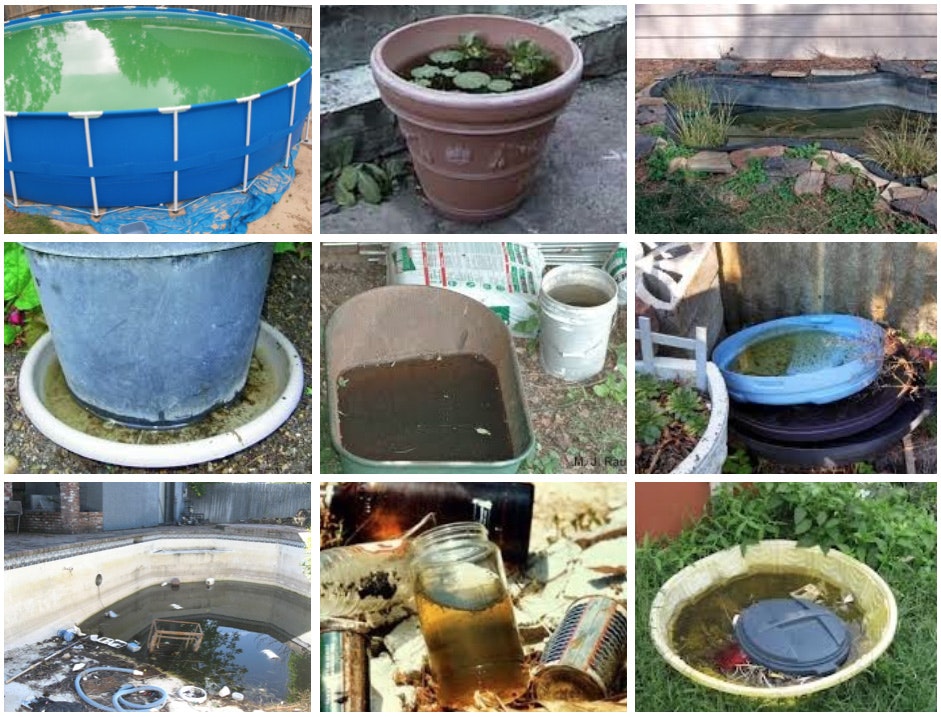
This rapid developmental time makes controlling mosquitoes particularly challenging since their populations can increase exponentially when environmental factors are right. However, mosquitoes cannot develop without water. For this reason it is vital to eliminate any stagnant water on your property. This is the most effective method of managing mosquitoes in southern California.
Common Backyard Sources Where Mosquitoes May Grow