Azusa, Don't Fall for the Mosquito Trick 🍂
They're back: Pumpkin spiced lattes, sweater weather, and mosquitoes ...

While mosquito activity typically begins to decline as temperatures cool in late fall, mosquitoes can remain active in the San Gabriel Valley while warm weather persists.
Why Are Mosquitoes a Public Health Concern?
Some mosquitoes can transmit diseases when they bite. In the San Gabriel Valley, this includes West Nile virus, which is spread by infected mosquitoes and is the most common and serious mosquito-borne disease in California. Other mosquito-borne diseases, including dengue, chikungunya, and Zika, can also be a concern, particularly for people who travel to areas where these diseases are more common.
West Nile virus is most common during the summer and early fall, so October and November can bring a gradual decrease in activity, but it’s still important to protect yourself from mosquito bites and eliminate breeding sources around your home.

Why Do Mosquitoes Bite?
Only female mosquitoes bite. They need the protein in a blood meal to develop their eggs, which they lay in or near stagnant water.
Where Do Mosquitoes Grow?
Mosquitoes grow in stagnant water. Everyday items around your property can become mosquito breeding sources, including buckets, plant saucers, tires, toys, clogged gutters, and other containers that collect water. Mosquitoes grow from egg to adult in as little as a week, making regular mosquito prevention an important part of protecting your home.
SGV Mosquito Control In Action
While residents play an important role in preventing mosquito breeding around their properties, SGV Mosquito continues monitoring mosquito populations and mosquito-borne diseases throughout the San Gabriel Valley.


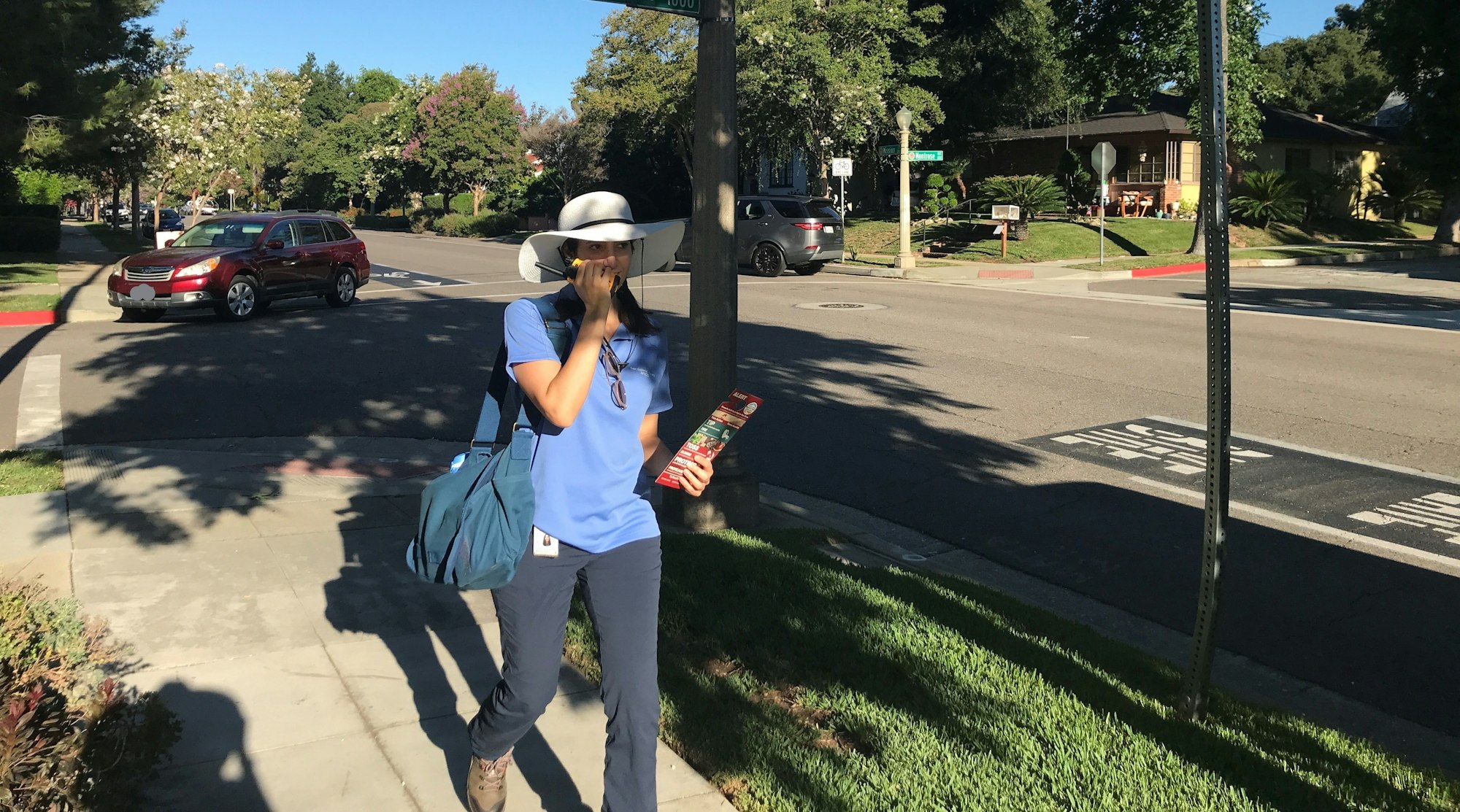
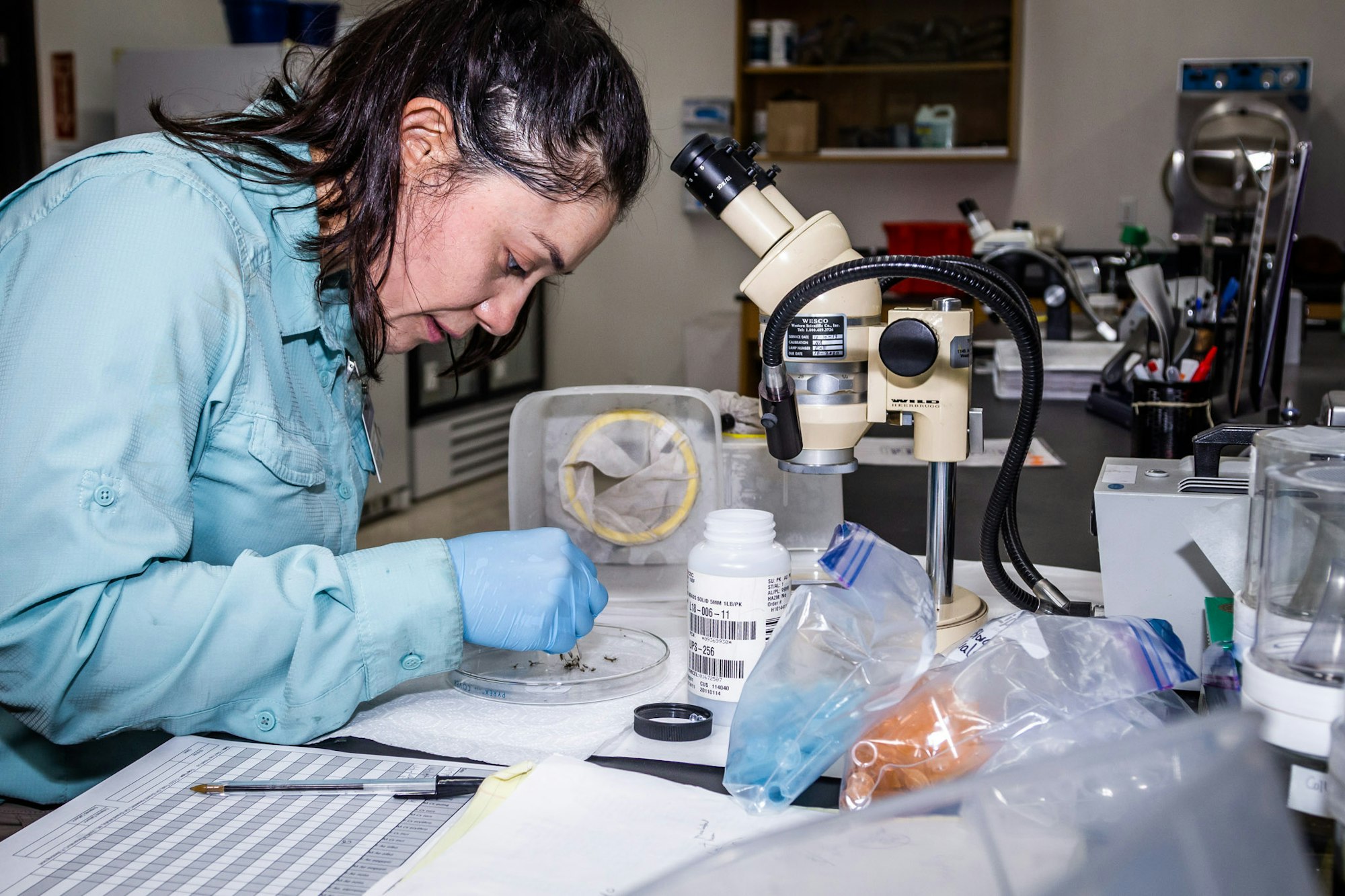
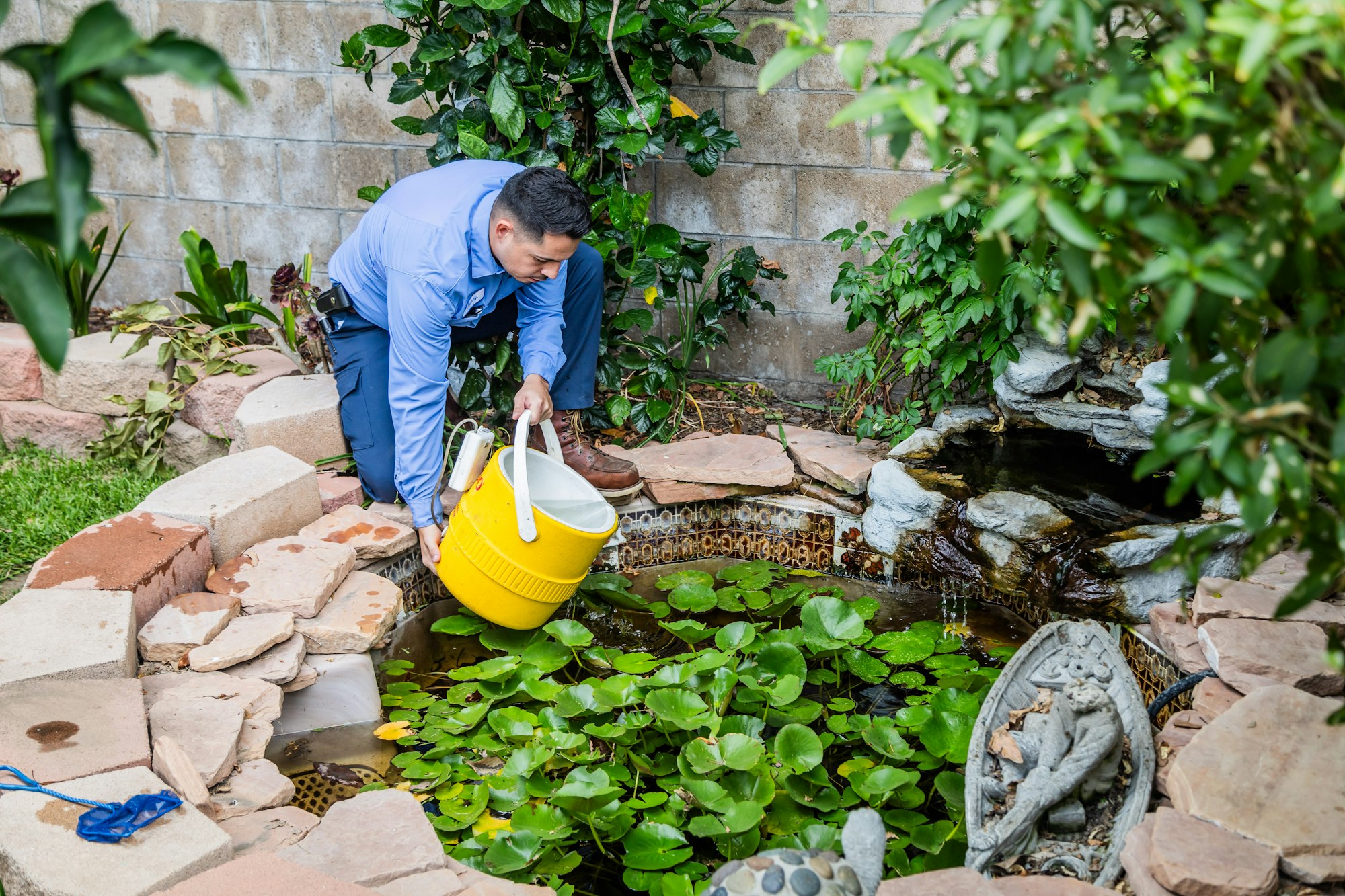
Our teams conduct surveillance, respond to mosquito activity, provide enhanced neighborhood support when needed, inspect properties, and educate residents about mosquito prevention.
As fall approaches, remember to dump out stagnant water, apply repellent, and share prevention tips with your family and community.
Things You Can Do This Fall to Stay Bite-Free
1. Tip and Toss
Fall weather in Southern California can be unpredictable. Rain or sprinklers can fill anything with water that can become stagnant. Remember to empty and toss/put away water-holding items at least once a week and immediately after rain to prevent mosquitoes from growing.
Don't forget to check less obvious places, such as:

- Plant saucers and pots
- Gutters and drains
- Outdoor toys
- Buckets and containers
- Tires
- Birdbaths
- Pool covers
- Decorative items
- Areas of your yard where water collects

2. Repel, Don't Swell
Whether you're enjoying a fall evening at home or traveling for the holidays, protect yourself from mosquito bites.
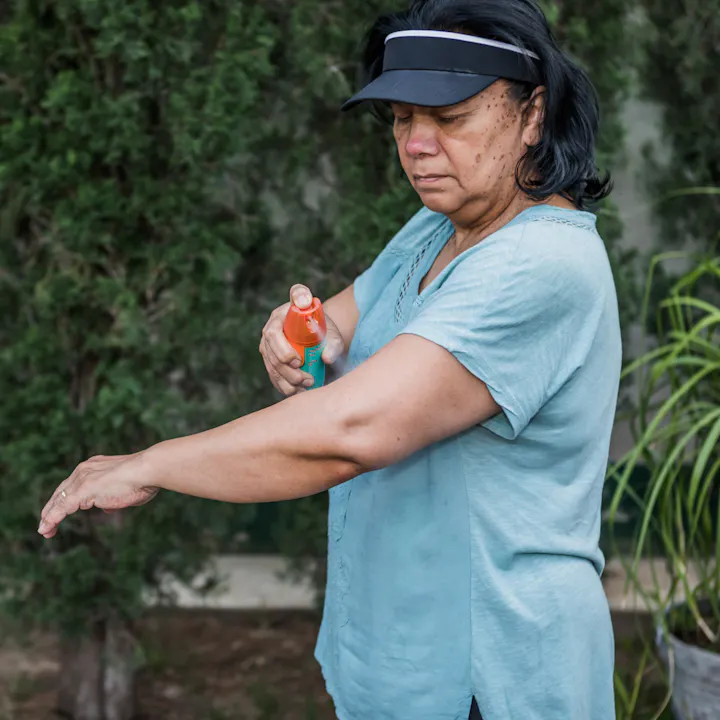
Use an EPA-registered insect repellent and follow the directions on the label. The most effective active ingredients include DEET, picaridin, IR3535, and oil of lemon eucalyptus. You can also wear loose-fitting, long-sleeved clothing, which can also provide an extra layer of protection.
3. Traveling for the Holidays? Don't Bring Home Mosquito-borne Diseases
Fall and winter bring opportunities to travel for vacations, family visits, and holiday celebrations. If you're traveling to an area where mosquito-borne diseases are present, take precautions to avoid mosquito bites throughout your trip.
Travelers can become infected with mosquito-borne diseases while away and, in some circumstances, unknowingly bring an infection home. For diseases such as dengue, Zika, and chikungunya, an infected traveler can potentially pass the virus to local mosquitoes if bitten after returning to an area where the appropriate mosquito species are present. That's why bite prevention doesn't stop when your vacation ends.
NOTE: If you become sick after traveling, especially if you develop symptoms such as fever, headache, muscle or joint pain, or rash, contact your healthcare provider and share your travel history.
Don't let the cooler weather fool you. Keep the pumpkin spice. Lose the mosquito bites.