Short Bites Monthly
Your digest for November 2021.
November 2021 📅
Short Bites Monthly ensures that our data as a public health agency remains transparent to the public and to people who are interested in our mission.
In your community 💛🏡
- We collaborated with the California Botanic Garden to promote California Native Plants as a measure to reduce mosquito habitats through blog posts:
Switching to California Native Plants is as easy as A-B-C
Go Native with our California Native Plant Resources
Visit calbg.org for more information on California Native Plants.
- 182 hours of enhanced neighborhood support has been conducted in several neighborhoods that includes door-to-door property inspections and delivery of educational material. The effort is to identify and eliminate residential sources of mosquito habitat. Our staff alerts residents to West Nile virus threats and teach them how to protect themselves.
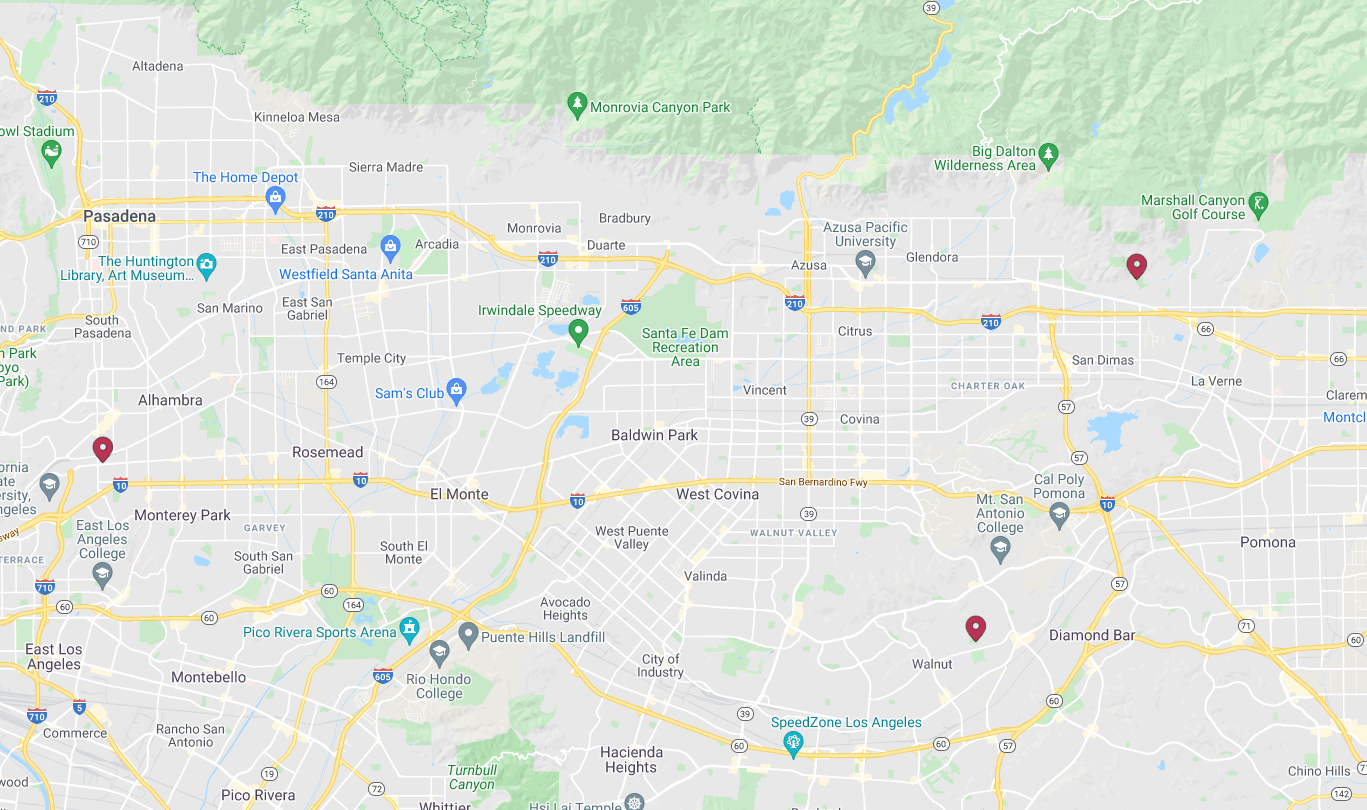
Image of our outreach efforts during the past month.
In education 👨🏽🏫📚
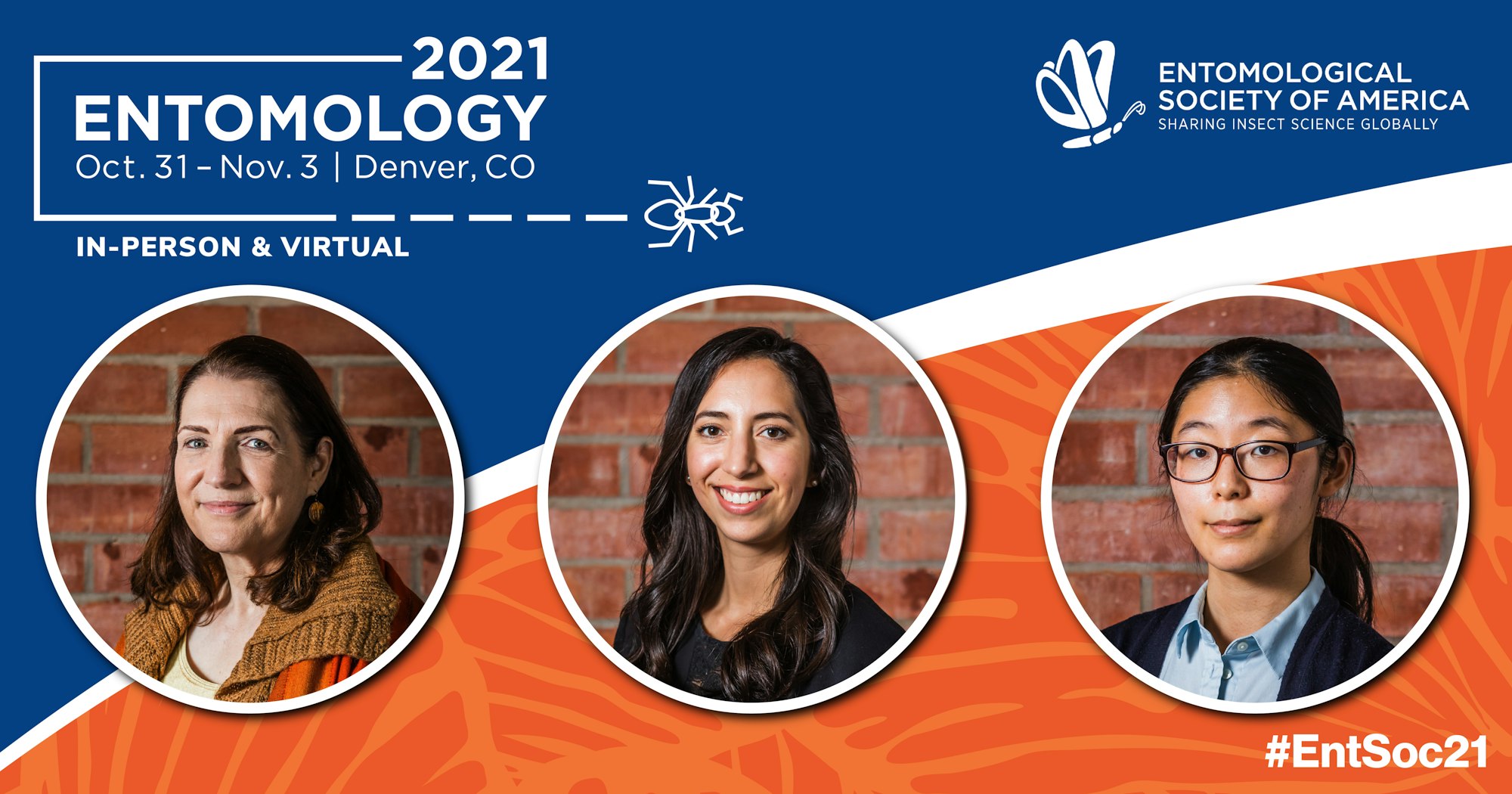
Image of the District's Jorney of the Germ creators and ESA speakers. 👏
- Ecohealth Vector Education has a new interactive & educational experience for our San Gabriel Valley students! This experience, Journey of the Germ, is NGSS-aligned, FREE, and available to Pre-K - 12th grade students in the San Gabriel Valley.
- Education Specialists are presenting Journey of the Germ as Chrysalis Fund winners at the Entomological Society of America (ESA) in Denver, Colorado.
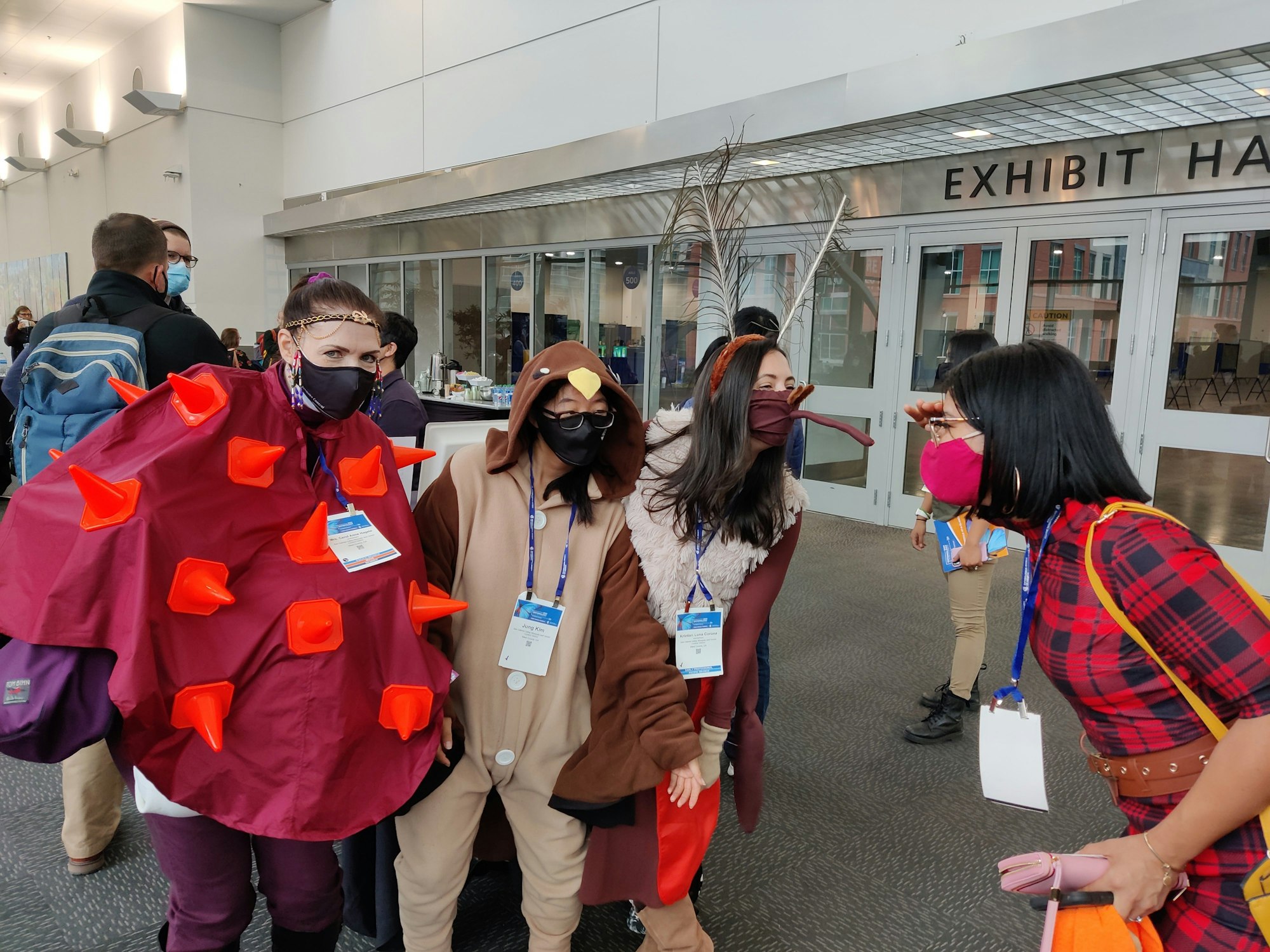
The viral photo of our team at ESA, dressed as the West Nile Virus disease transmission cycle for Halloween. 🦟 ➡ 🐦 ➡ 🦟 ➡ 🐦+ 🦠 ➡ 🦟 ➡ 🧍♂️🧍♀️
- Our Little Champions Preschool Program is now available for booking. See photos below from our October visit in Alhambra:
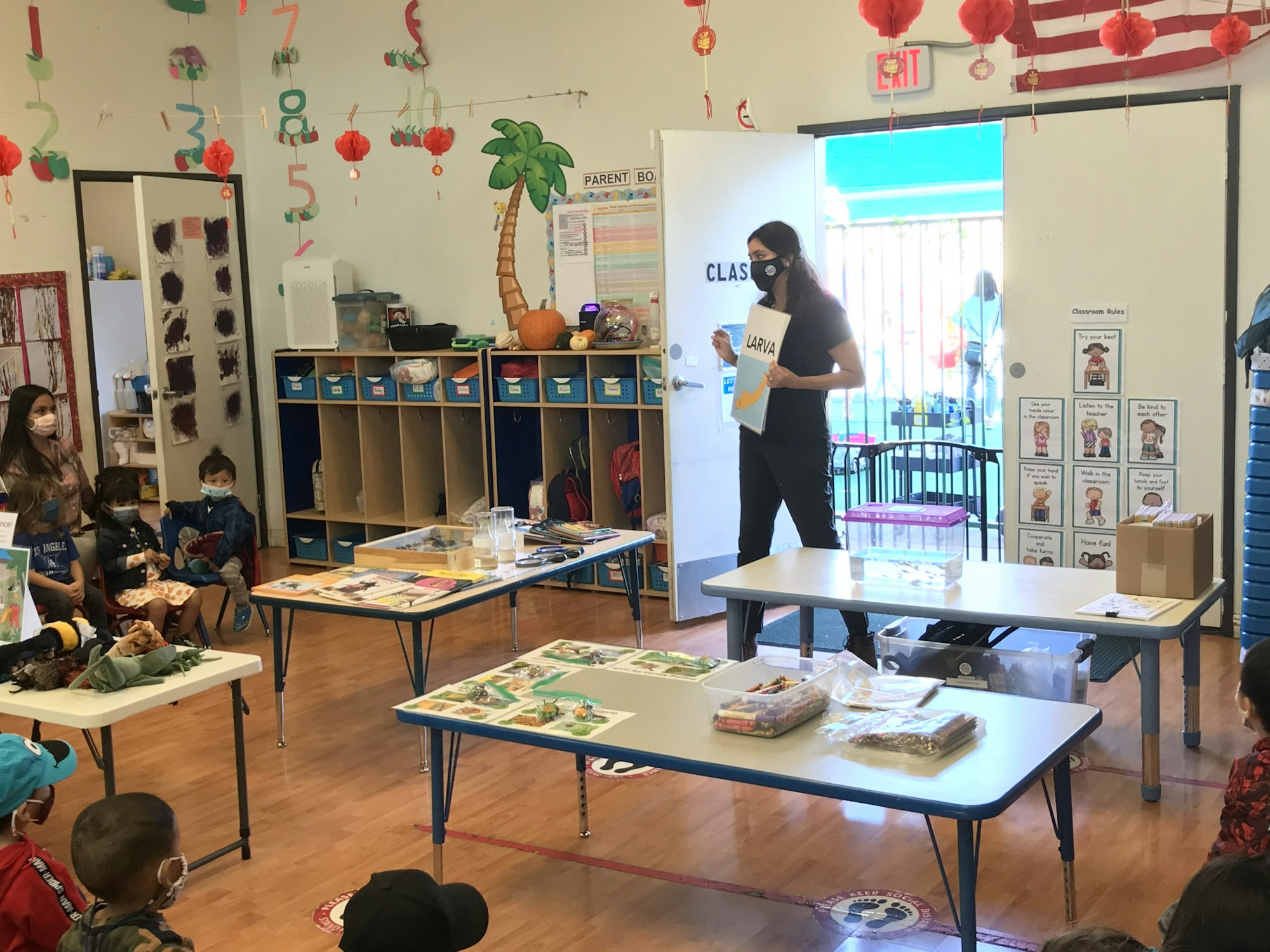
Outreach Assistant leads Little Champions Preschoool Program in Alhambra.

Student takes a closer look at insects.

Student marvels at mosquito fish, another biological control method for reducing mosquito larvae.

Students participate in an interactive activity with insect life cycles.
- 2,848 people were educated on mosquito-borne diseases and bite prevention in the past month at our in-person events in the San Gabriel Valley. Additionally, 78,777 people were engaged with our social media content.
In disease control & monitoring 🔬🦟🦠
- The Surveillance Department places traps weekly and submits mosquito samples for testing for arboviruses, like West Nile virus (WNV).
- WNV has been quite active in the San Gabriel Valley with 191 positive mosquito samples and 33 birds testing positive for WNV. The Operations and Communications departments use this data to allocate resources to higher risk areas.
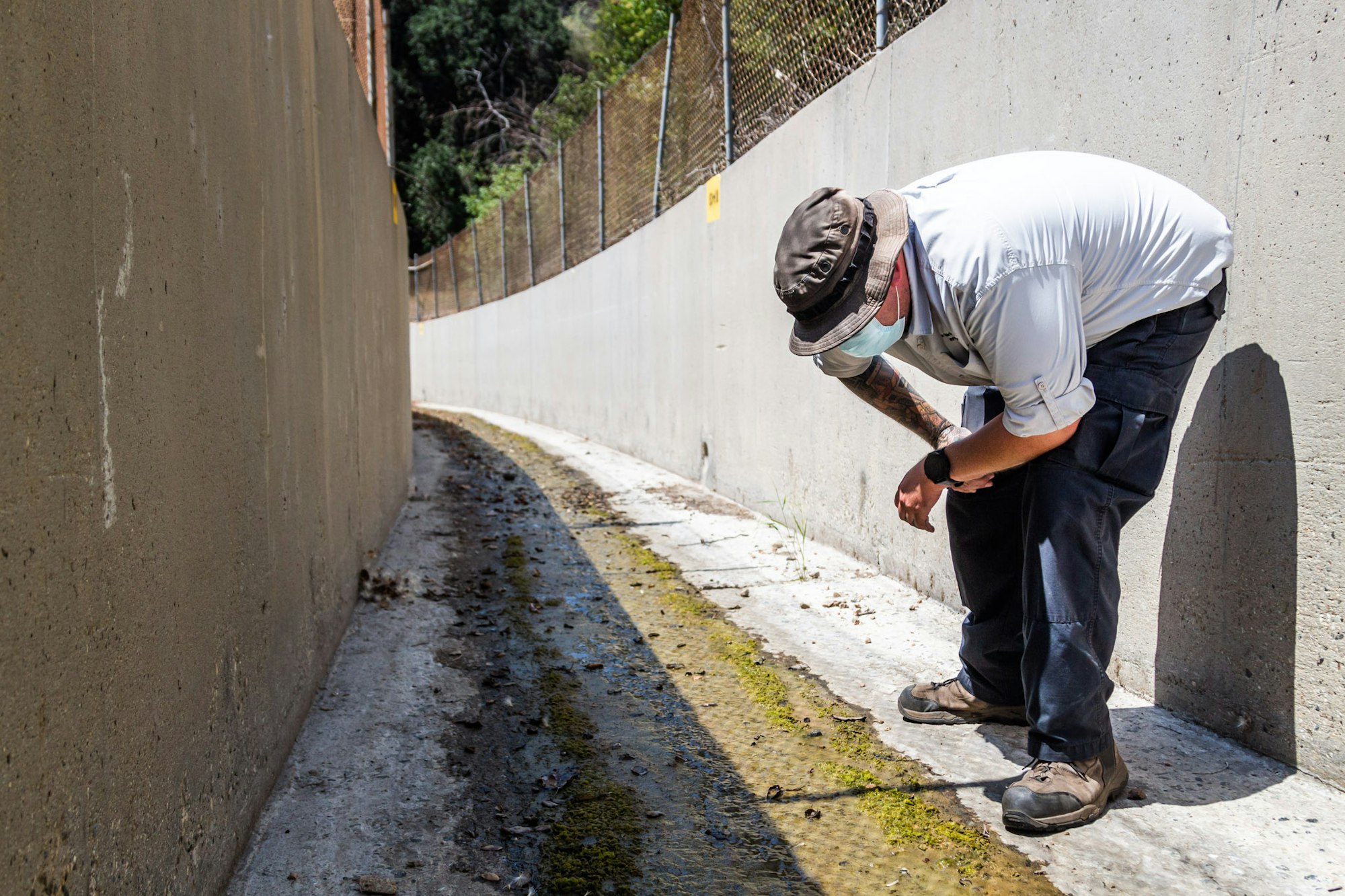
Assistant Vector Ecologist determines the presence of vectors.
Want to recieve our monthly digest in an email? Sign up to get monthly email alerts 📧 through our Bite Back Program.
🖋 Written by Ally Gaspar, Outreach Assistant