
Short Bites Monthly
Your digest for March 2026.

This Short Bites Monthly newsletter shares insight into the past month's activity. This ensures that our data as a public health agency remains transparent to the public and to people who are interested in our mission.

District Communication

The district is in the Eaton burn zone every day, working to protect the community from the risks posed by unmaintained pools in fire-affected areas. We are consistently monitoring mosquito populations and providing treatments as needed.
Here is our progress to date:
- 992 Pools Managed: We have successfully treated nearly 1,000 high-risk pools. Our team provides ongoing monitoring and regular check-ins until each site is verified as functional and safe.
- Biological Control: In 478 of those pools, we have introduced 15,000 mosquito fish (Gambusia affinis). These fish provide a natural, long-term solution by eating mosquito larvae before they can reach adulthood.
If you have noticed a neglected pool or standing water in your area, please let us know. Your reports help our teams prioritize high-risk sites and keep the Eaton burn zone safe for everyone.
Outreach In Your Community



Black fly populations are surging across the San Gabriel Valley, particularly affecting foothill residents.
The combination of local running streams and the black flies' five-mile travel range has led to a significant increase in activity throughout these neighborhoods.
Similalry to our approach on mosquitoes, our team of Vector Control Technicians are actively monitoring and applying treatments to reduce black fly populations, targeting areas where larvae are know to develop.
What's important to know?
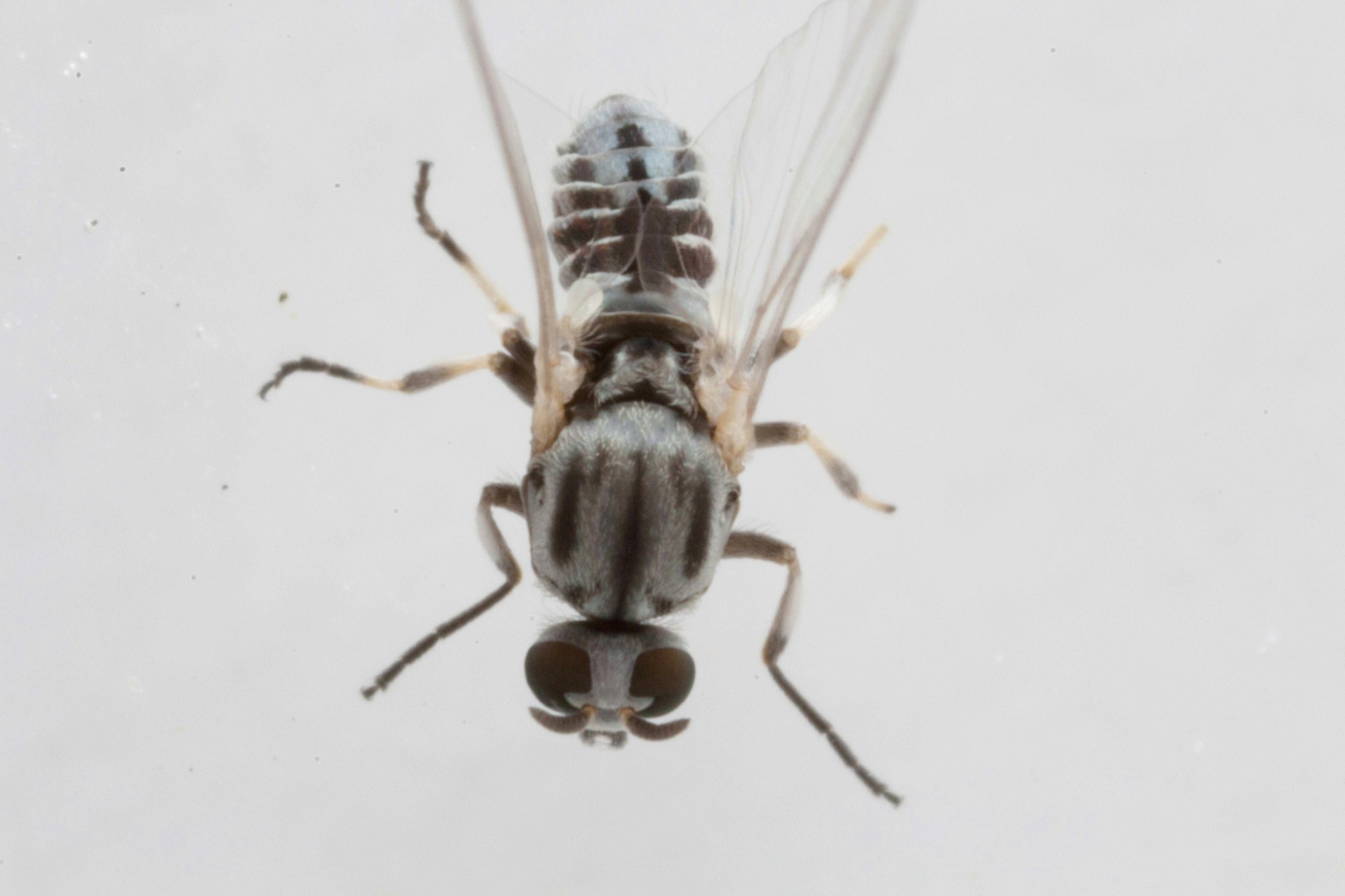
- Adult black flies cannot be effectively controlled with pesticides
- They tend to gather cool, shaded areas
- They typically target the face and neck when biting
- An adult black fly lives for approximately 1 month
How can you protect yourself?
- Wear head nets when outdoors
- Wear loose fitted, light colored clothing
- Use insect repellent containing DEET
For more information, visit our Black flies resource page.

District Representation

This month, 4 members of our team shared the District’s latest project insights and field strategies at the 2026 American Mosquito Control Association (AMCA) conference. We value these opportunities to contribute to our industry’s collective knowledge while learning from the expertise of our fellow public health professionals.
You can check out our presentation topics on our In the Spotlight webpage.
Current EcoHealth Programs
Help shape the next generation with healthy and bite-free habits. Little Champions Preschool program will turn your students into little champions who care about their health and their community.

M.I.A. is a free, K-12, NGSS-aligned, hands-on science lesson, where students are empowered to take charge of their properties and halt the mosquito invasion.

Did you know that there's a lot of misinformation on Sterile Insect Technique (S.I.T.)?
We're here to clear that up through our S.I.T. Mythbusters series:
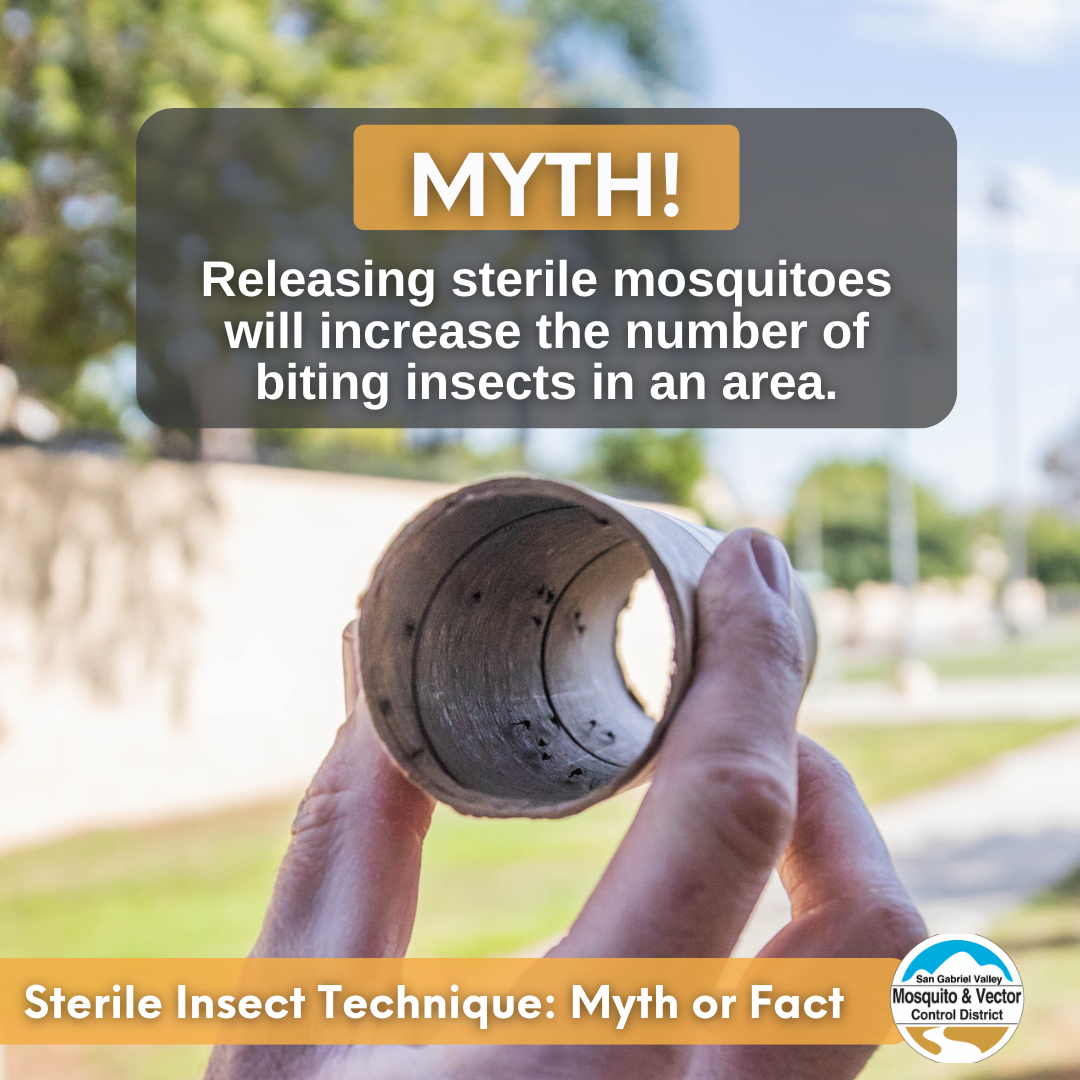
MYTH: Releasing sterile mosquitoes increases biting in your area.
FACT: Male mosquitoes don’t bite or spread disease. The males released through S.I.T. are sterile and are meant to mate with wild females. Over time, this helps reduce the number of biting females in the community. You may notice more mosquitoes temporarily — but they’re harmless males.
GOAL: Fewer bites in the long run.
District Resources to Share
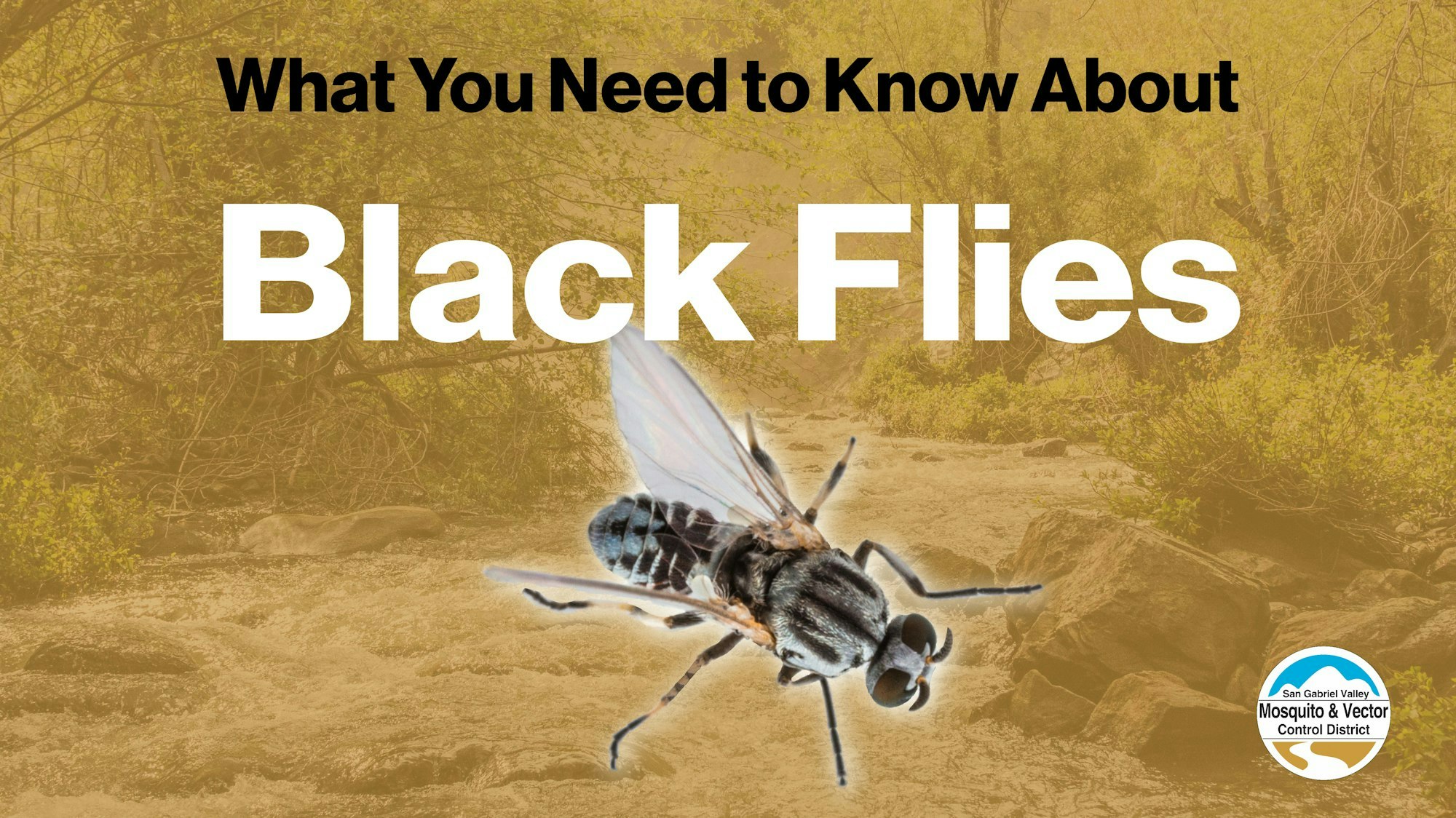
As springtime grows around us, the crisp outdoors are blossoming to life-- mosquitoes included.



For more information, please visit our website.
District Mission: Providing the highest level of protection from vectors & vector-borne diseases in San Gabriel Valley.
🖋 Written & Edited by Ally Gaspar
🖋 Eaton Area Reporting by Derek Garcia