
Short Bites Monthly
Your digest for October 2023.

Short Bites Monthly ensures that our data as a public health agency remains transparent to the public and to people who are interested in our mission.
Happy Halloween Champions!
We hope you enjoy scary celebrations tomorrow that don’t involve mosquito bites. Also, if you’re expecting trick-or-treaters, be sure to Tip, Toss, & Protect so your home isn’t the scariest house on the block.

Events
- This month, repellent education was the focus of our District messaging. We also presented at various senior center community meetings throughout our District. Thank you to those who requested our presence.
- We provided Bite Prevention Kits to select cities which is determined by our mosquito trap count data - See data charts below ‘In Disease Control & Monitoring’ section.
Outreach Efforts

- This month, we have responded to elevated mosquito activity with enhanced investigation and control measures. The areas of Enhanced Neighborhood Support (ENS) are based on our mosquito trap count data and neighborhood risk assessment.

- Our October efforts include increased surveillance, public education, and control to reduce the threat of mosquito-borne disease human infections.


EcoHealth Newsletter
- EcoHealth Newsletter informs you of professional development opportunities, FREE available NGSS- aligned programs, & the latest teacher resources for you to use in the classroom.
- The EcoHealth Newsletter will resume in November.
Citizen Science

- At headquarters, we’re analyzing collected water samples and Aedes egg papers, as seen in the phot above.
- Thank you to participating teachers and students who submited these samples! Our District is grateful for your participation in community science.
Check Out Our Citizen Science Programs

Digital Communication
- If you’re planning on trick-or-treating this Halloween, don’t forget to wear repellent. See our repellent page for more information.
- Since West Nile Virus (WNV) is endemic to the San Gabriel Valley, we work hard to prevent local disease outbreaks.
- This month, we used targeted ads to spread awareness about mosquito activity in communities that needed treatments.

- Our messaging, whether in print or online, is up to date on the latest mosquito information. You can access them here.

We continue to focus on maintaining essential vector surveillance including mosquito trap routes, arbovirus testing, providing weekly data to the District, and maintaining the mosquito fish and mosquito colonies.

Data Collection
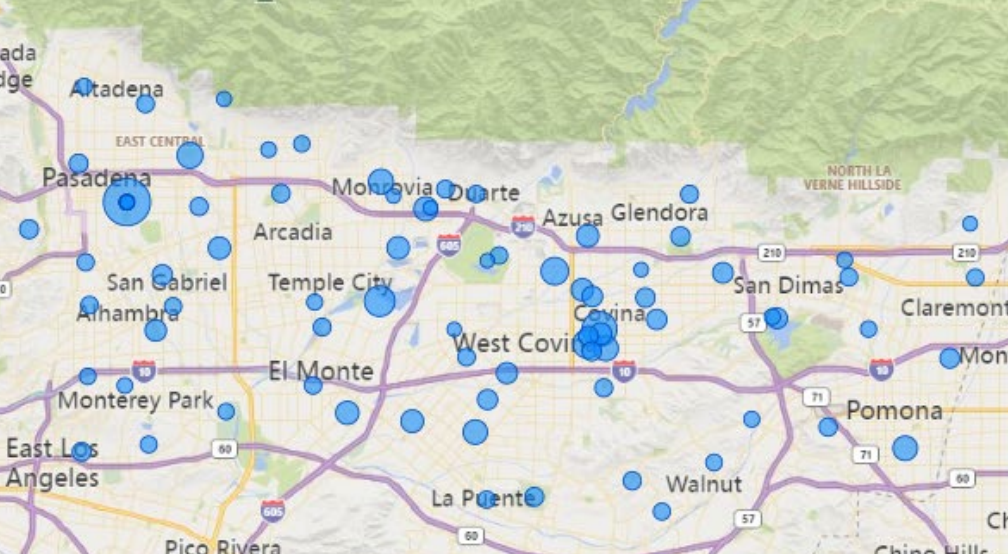

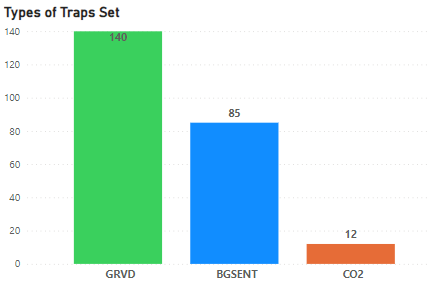
- This month, our surveillance traps have seen an overall increase of Aedes abundance across the district. In response to this data, we added 11 additional trapping events to monitor.
Before you go, check out the links we love this month …


- Read how a life-long interest in wildlife brought one entomologist to vector-borne disease ecology.
- Learn how your local Vector Control District responded to a rare mosquito-borne disease case.
- Help your Girl Scout protect the planet from the effects of climate change by planting, protecting, and honoring trees to support wildlife conservation. Girl Scouts can also become climate advocates and help protect the Earth!

Want to receive our monthly digest in an email? Sign up to get monthly email alerts 📧 through our Bite Back Program.
Communications Department Mission Statement:
Increase transparency and credibility through multi-media dialogue in order to engage and motivate internal, local, regional, statewide, and nationwide stakeholders to take action and become public health agents of change in their communities.
🖋 Written by Ally Gaspar, Outreach Assistant