Short Bites Monthly
Your digest for September 2023.
Short Bites Monthly ensures that our data as a public health agency remains transparent to the public and to people who are interested in our mission.

Events
- Thank you to the all of the cities and event organizers who booked us up for the month of October. We can’t wait to attend your events.
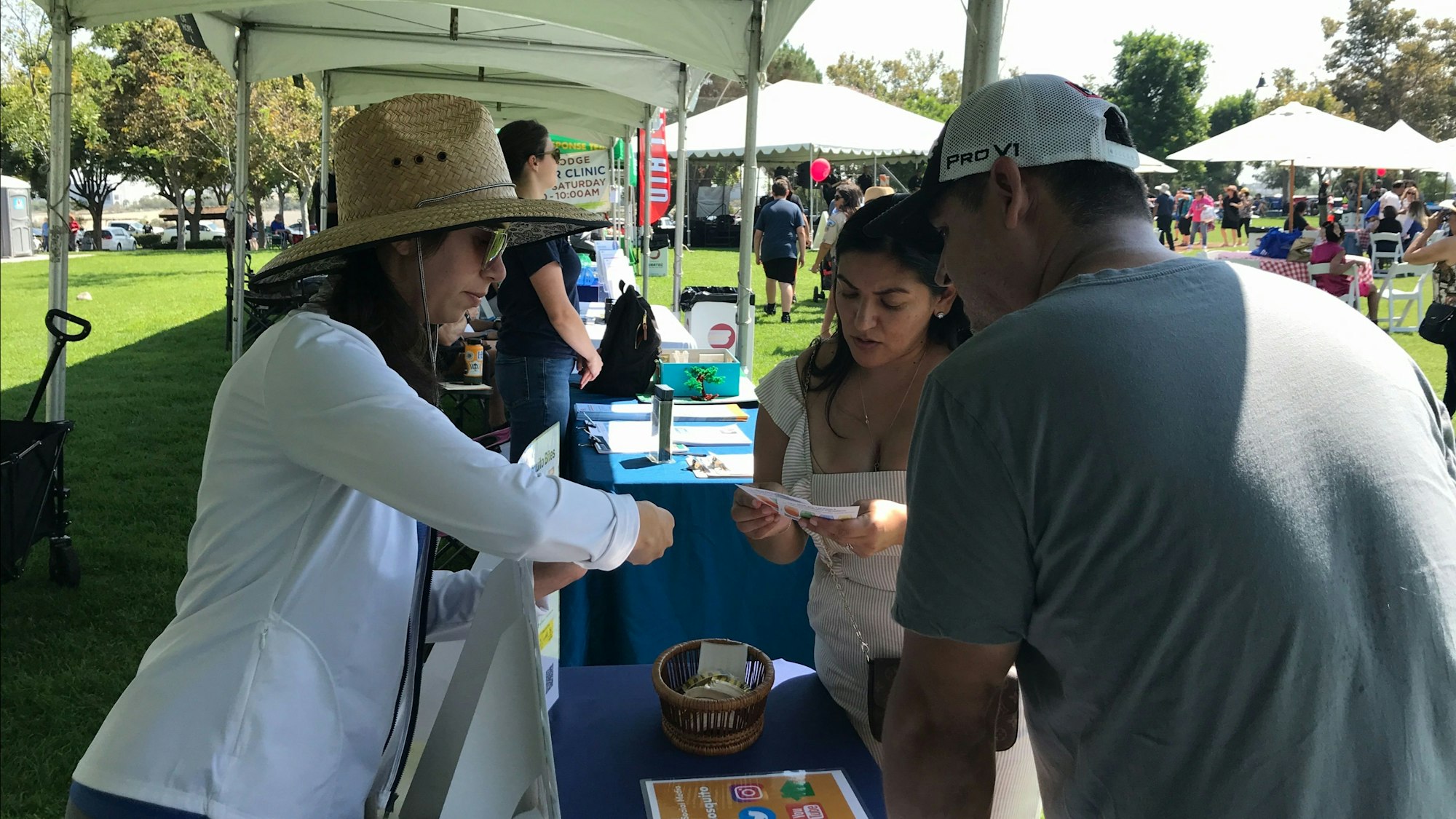
- This month, we presented at community meetings and hosted Repellent Zones at family centered events in various cities throughout our District.
Outreach Efforts

- We have detected West Nile virus (WNV) activity in birds and mosquitoes in several locations throughout the district.
Follow West Nile Virus Updates
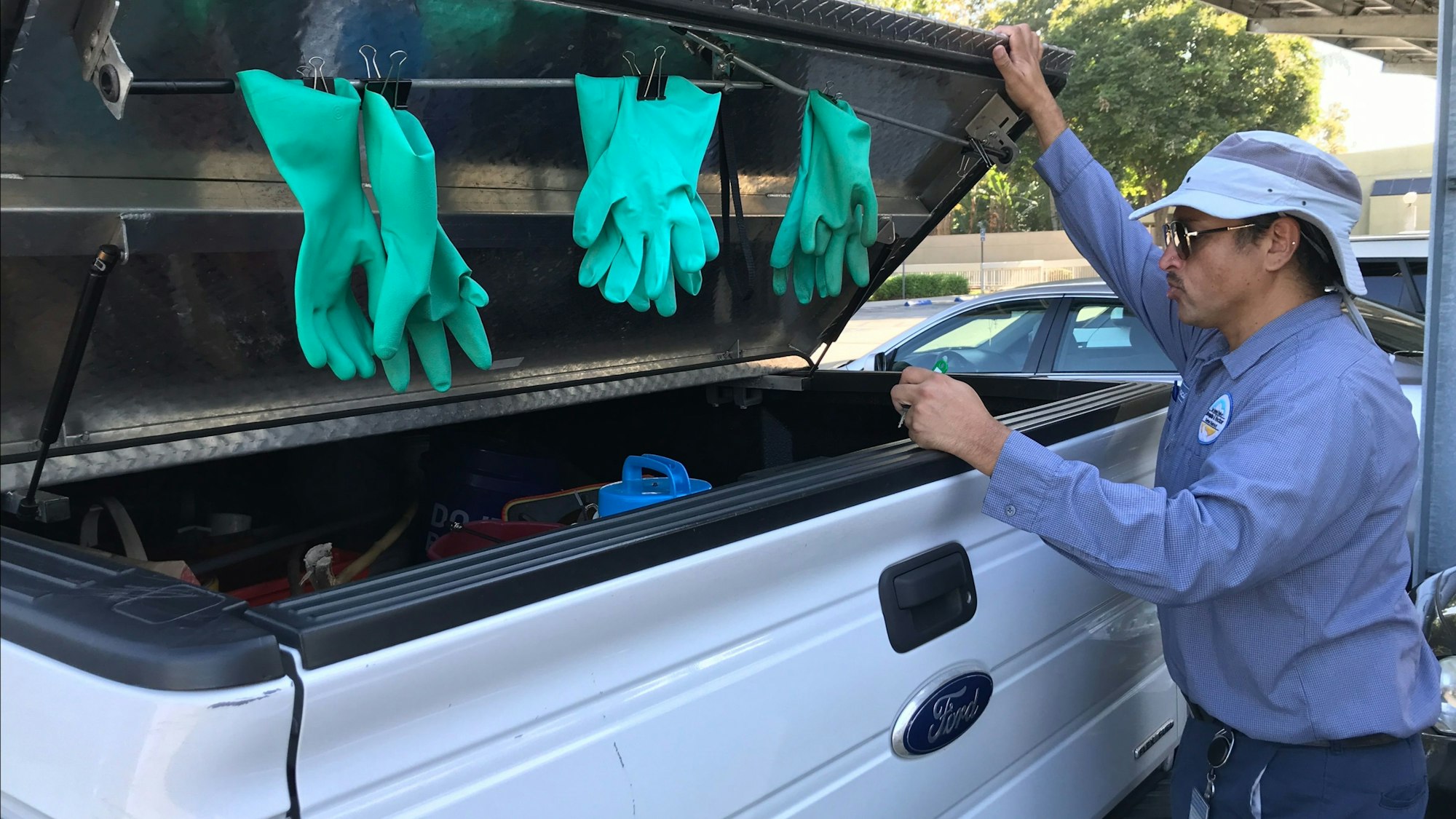
- We have responded to WNV with enhanced investigation and control measures. Our efforts include increased surveillance, public education, and control to reduce the threat of West Nile virus human infection.
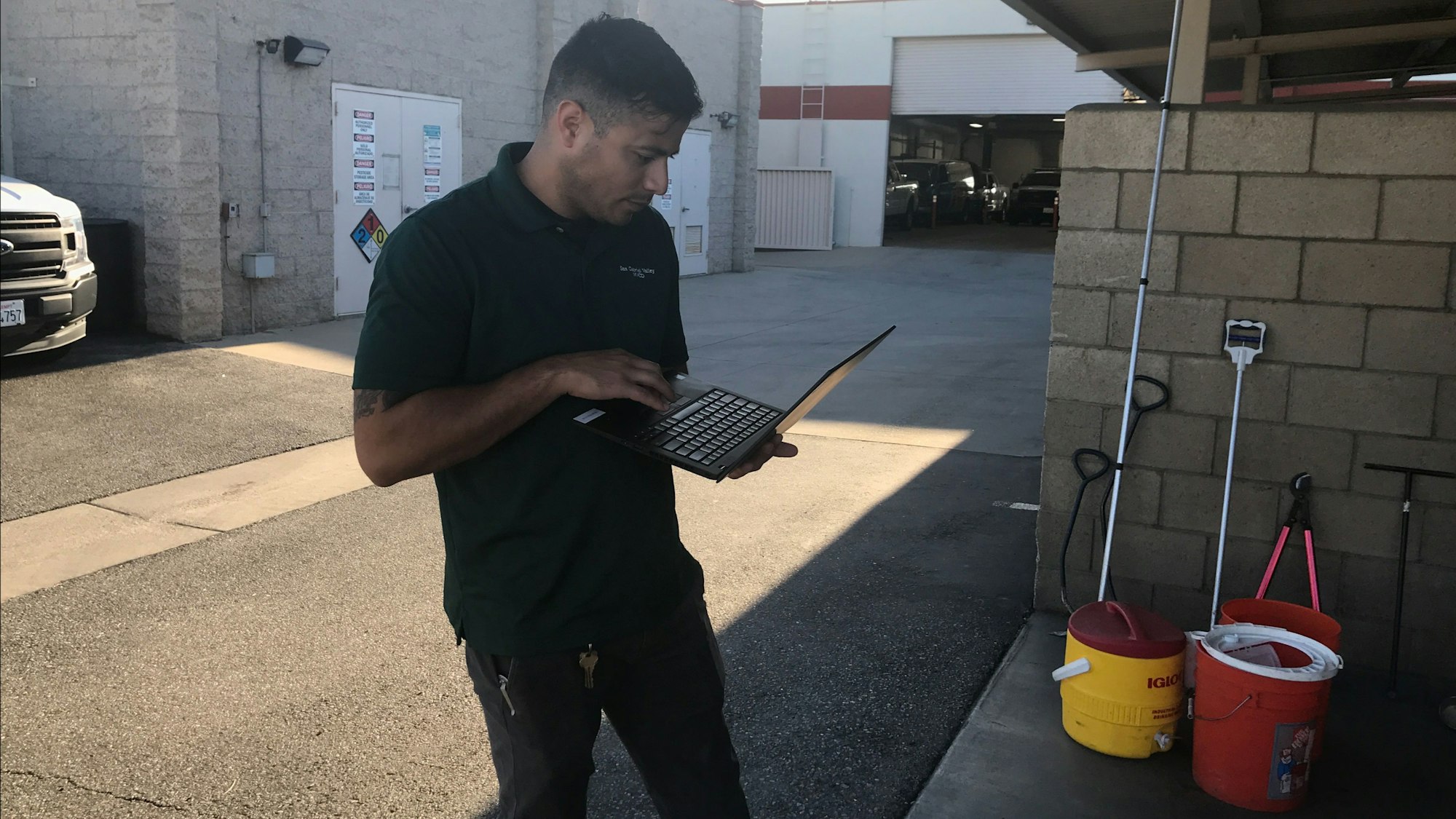
- This month, our District has focused on Enhanced Neighborhood Support (ENS) and in attending events in high trap count communities.
- While we take care of the public sources, please remember that mosquito control is still a shared responsibility and that we can’t access the stagnant water in your yard so TIP, TOSS, & PROTECT yourself from mosquitoes.
See what residents can do to control mosquitoes in their communities

EcoHealth Newsletter
- EcoHealth Newsletter informs you of professional development opportunities, FREE available NGSS- aligned programs, & the latest teacher resources for you to use in the classroom.
- The EcoHealth Newsletter will resume in November.
Citizen Science
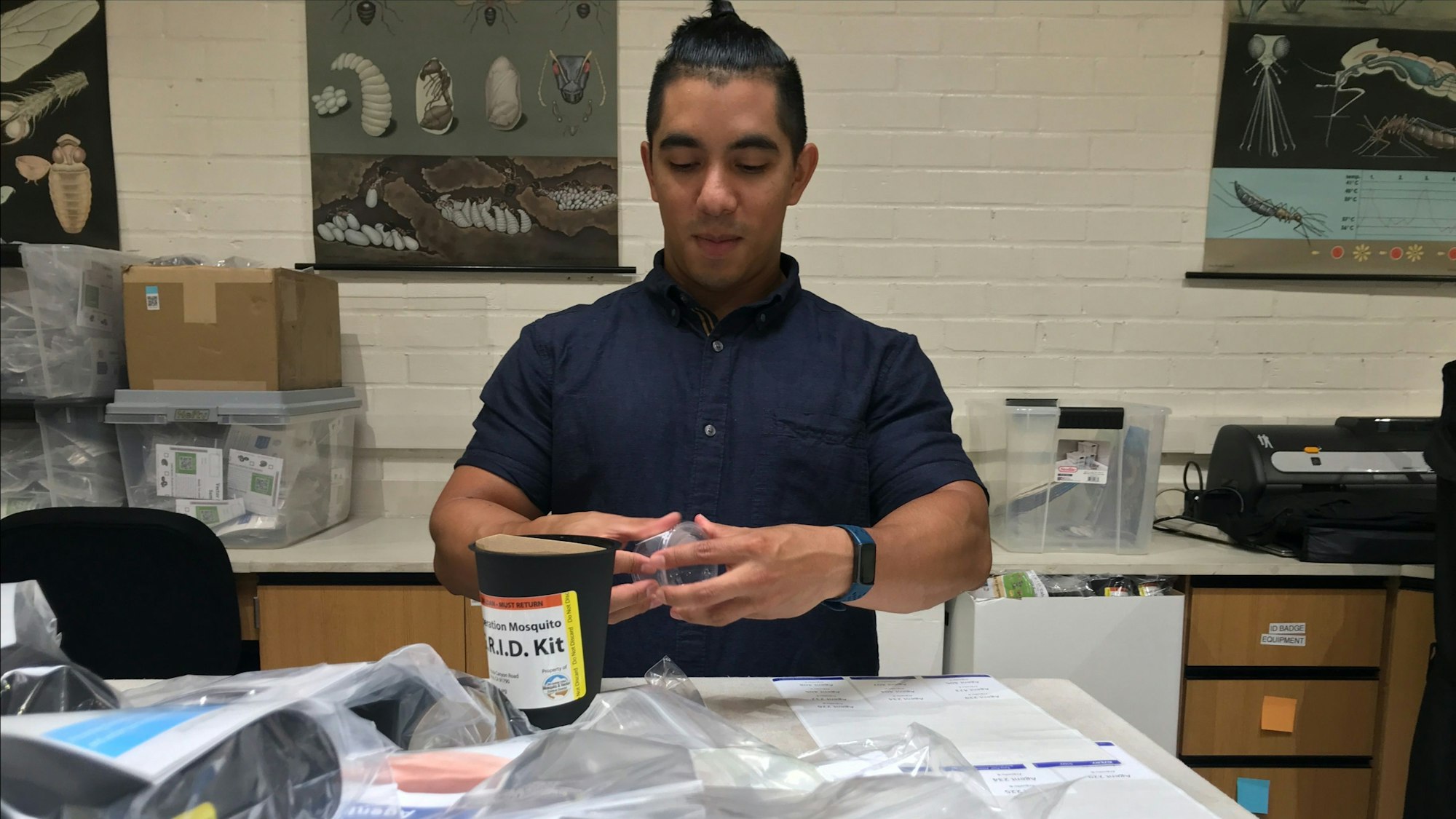
- At headquarters, we’re delivering kits to schoools and preparing to collect their water samples. Teachers and their students who submit water samples are participating in citizen science! You guys rock!
Check Out Our Citizen Science Programs
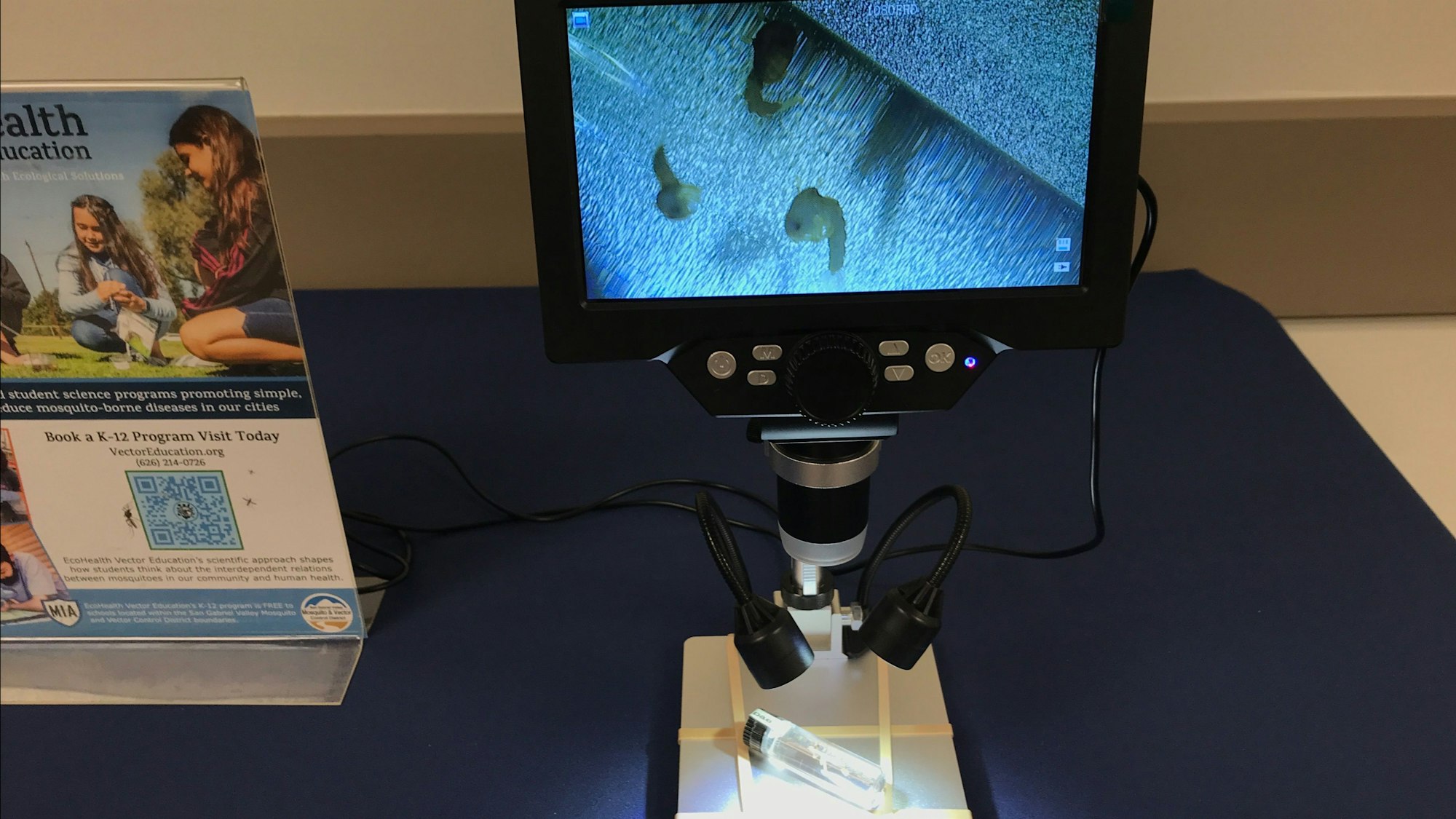
Digital Communication
- West Nile virus (WNV) is the most pervasive threat in California and is transmitted by local Culex mosquitoes.
- Since WNV is endemic to the San Gabriel Valley, we work hard to prevent local disease outbreaks.
- This month, meet Public Health Barbie. Find out what happens when Ada meets Barbie with mosquito repellent, an awareness campaign, and data at her fingertips.

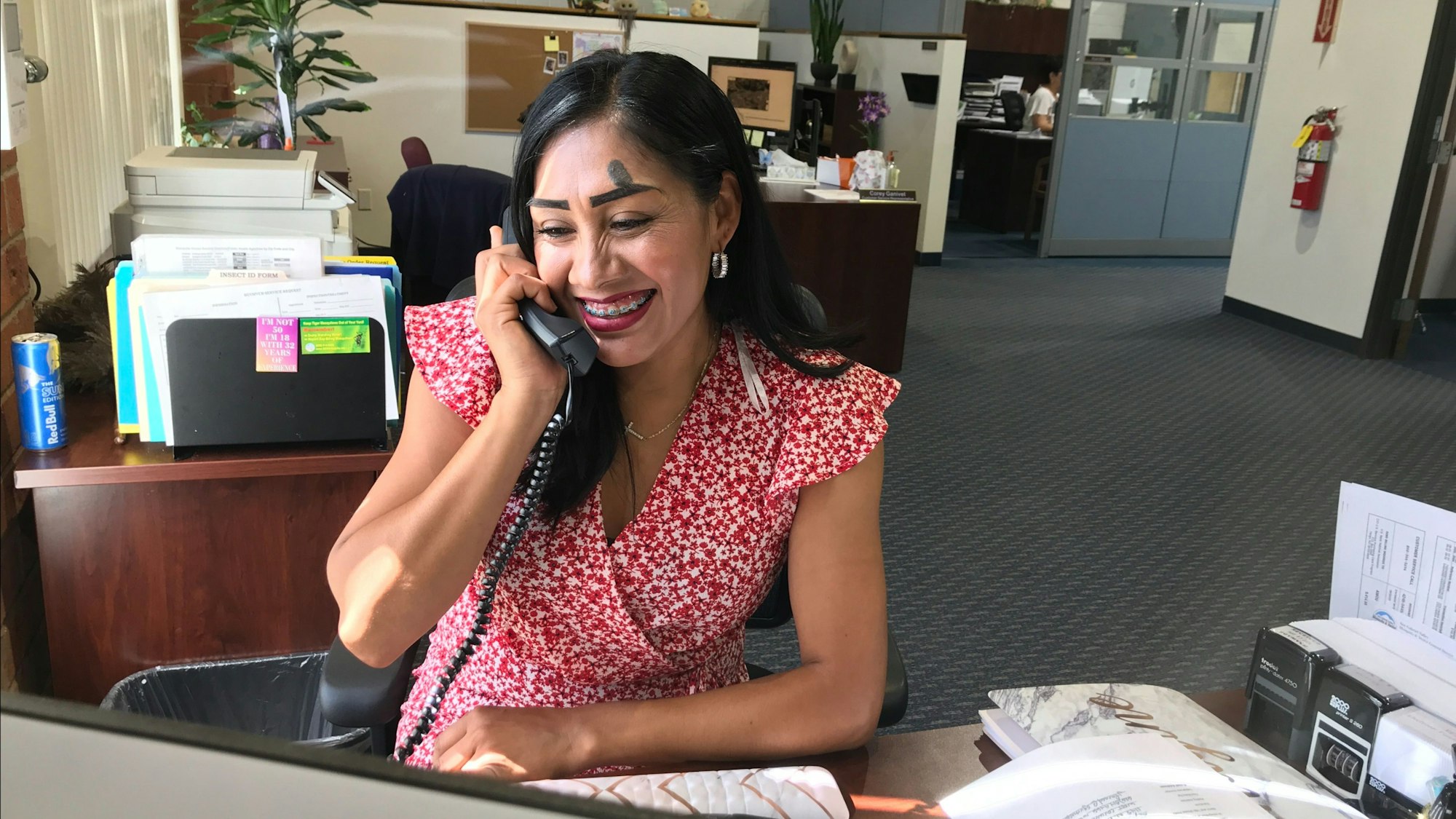
We continue to focus on maintaining essential vector surveillance including mosquito trap routes, arbovirus testing, providing weekly data to the District, and maintaining the mosquito fish and mosquito colonies.
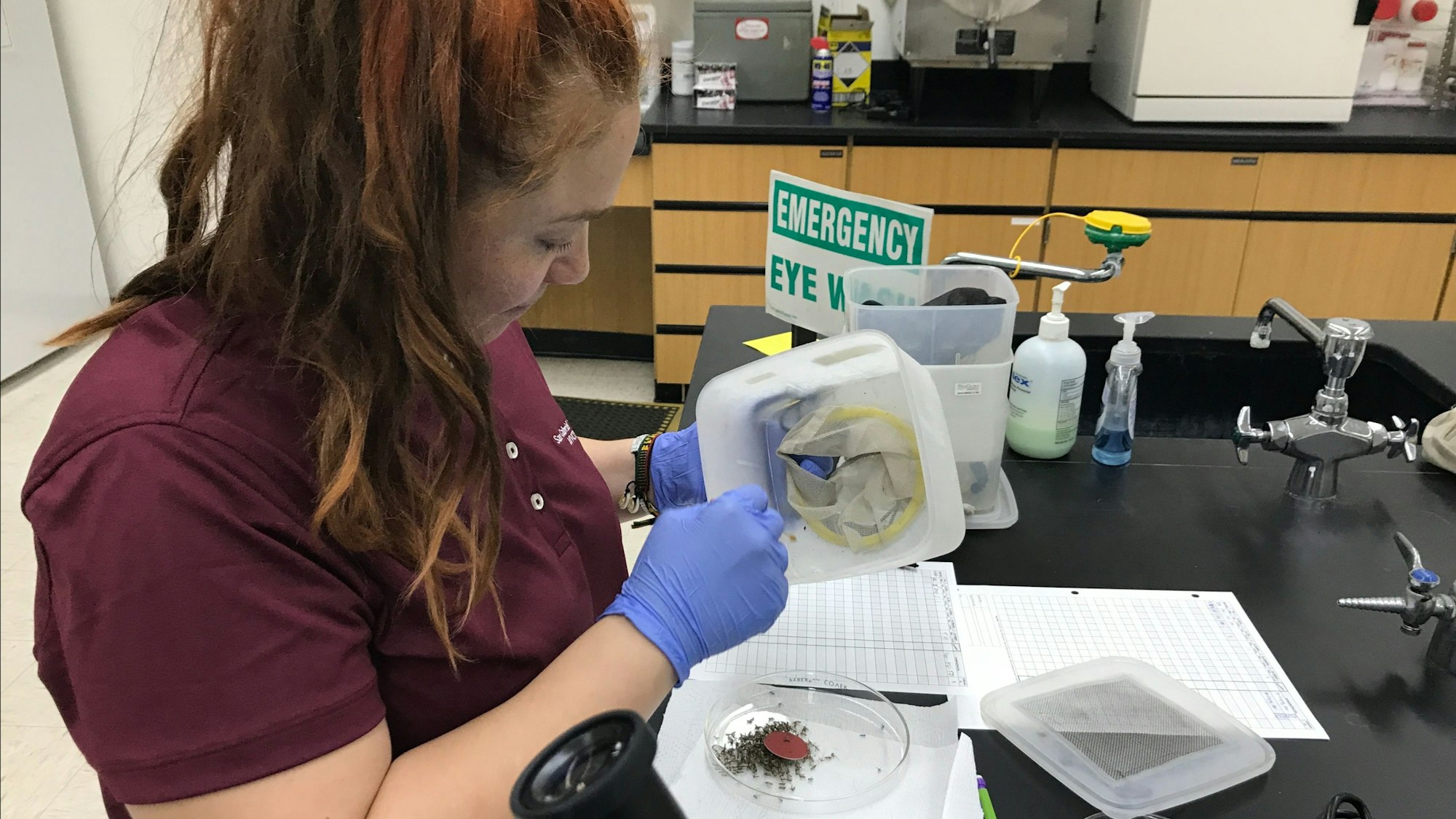
Data Collection
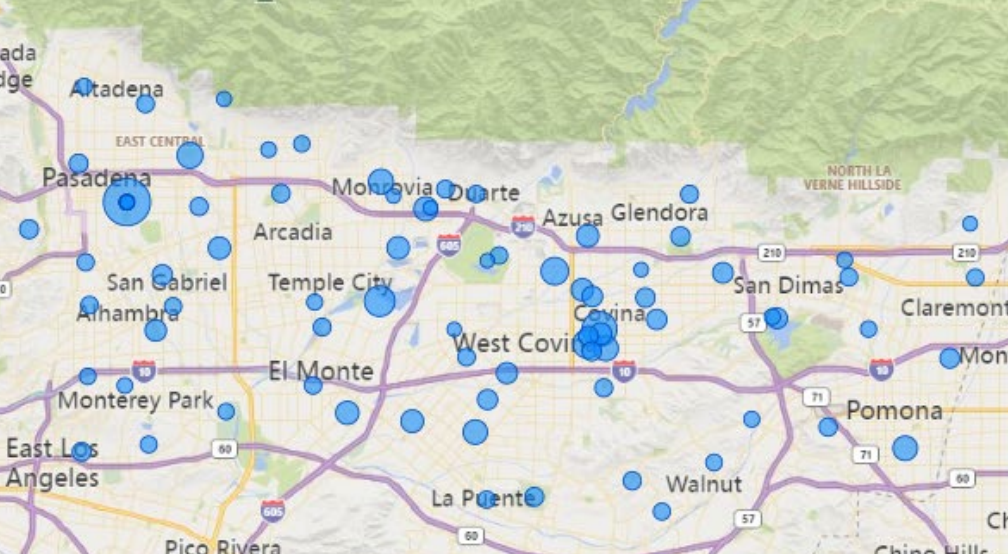
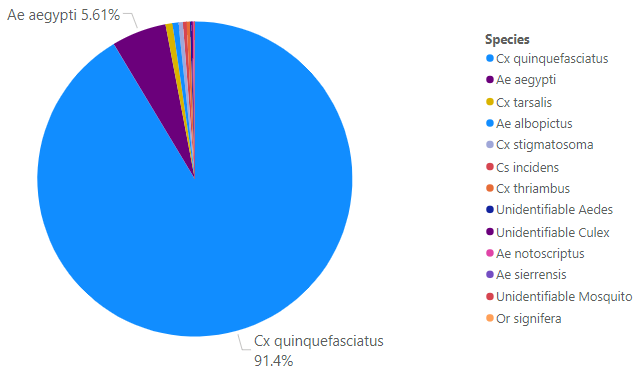
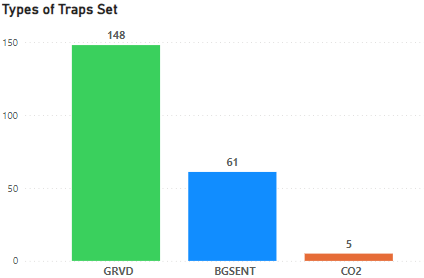
- This month, enhanced surveillance areas identified high trap counts with positive mosquito samples.
- We will be continue to follow up on the positive mosquito sites to monitor disease transmission.
Safety Reminders
Take Action Against Mosquitoes: Tip, Toss, Protect
Before you go, check out the links we love this month …


- Learn about the beauty and history of California Native Plants at an educationl event hosted by the Theodore Payne Foundation.
- Community Science is a form of research that provides everyone—regardless of their background—an opportunity to contribute meaningful data to further our scientific understanding of key issues. It's also a great opportunity for participants to learn more about species that interest them.
- Ted-Ed video explores the science of what attracts mosquitos, and find out why mosquitos bite some people more than others.

Want to receive our monthly digest in an email? Sign up to get monthly email alerts 📧 through our Bite Back Program.
Communications Department Mission Statement:
Increase transparency and credibility through multi-media dialogue in order to engage and motivate internal, local, regional, statewide, and nationwide stakeholders to take action and become public health agents of change in their communities.
🖋 Written by Ally Gaspar, Outreach Assistant